Introduction to Giant Foam Blocks
In today’s world, where digital play often overshadows physical interaction, parents and educators are seeking innovative ways to encourage imaginative and constructive play among children. One such solution that has gained popularity is giant foam blocks. These versatile toys not only provide hours of entertainment but also foster creativity, problem-solving skills, and physical development in children. Foam blocks challenge kids to think critically and collaboratively as they build their own structures, landscapes, and worlds. To explore more about how these engaging toys can enhance play experiences, you can find out more.
What are Giant Foam Blocks?
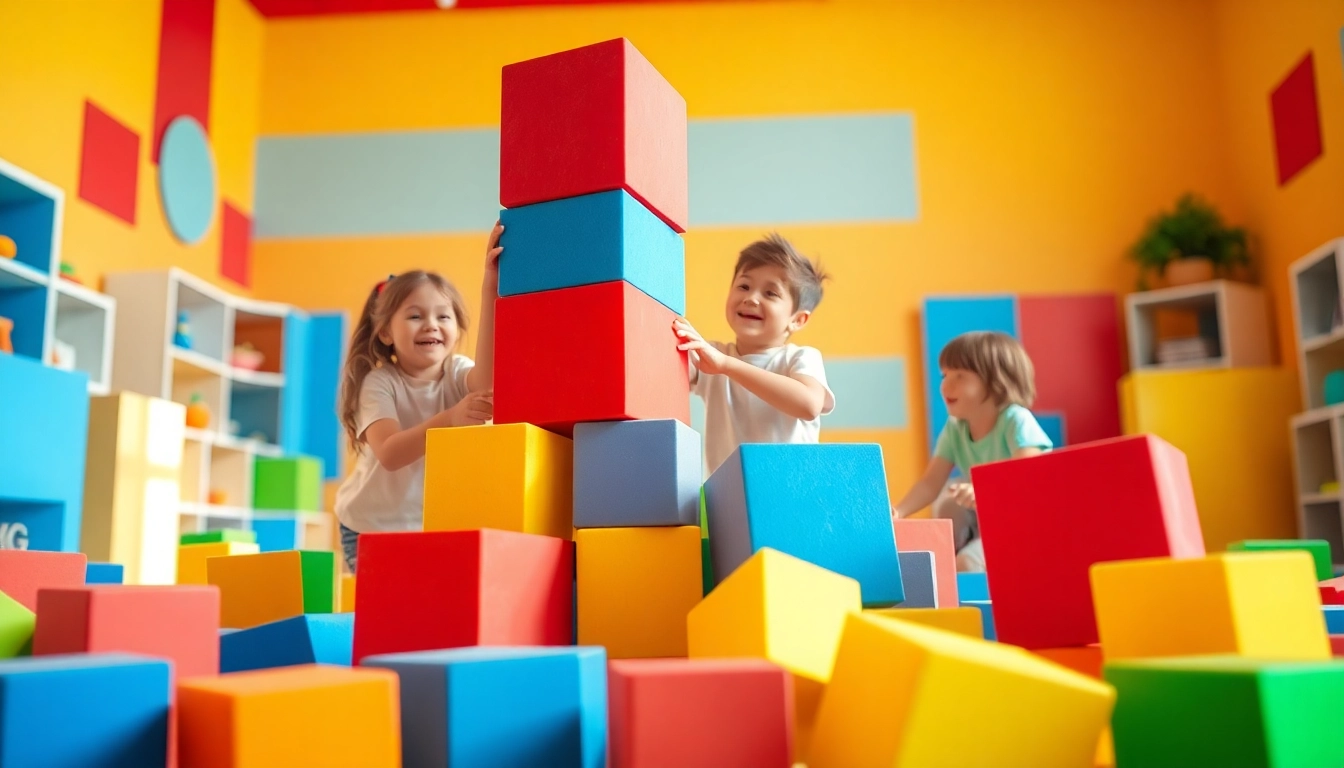
Giant foam blocks are oversized building pieces made from soft, lightweight foam material. These blocks come in various shapes and sizes, making them versatile for children to stack, create, and innovate. Unlike traditional building blocks made from wood or plastic, foam blocks are designed with rounded edges to minimize injury risk, ensuring a safe play environment. Because of their size, children can easily manipulate these blocks and engage with them in unique and imaginative ways. The bright colors and soft textures stimulate sensory exploration, drawing kids into a world of creativity.
Benefits of Playing with Foam Blocks
The benefits of incorporating giant foam blocks into children's playtime are manifold:
- Creativity Enhancement: Building with foam blocks inspires children to express themselves creatively, transforming abstract ideas into tangible structures.
- Problem-Solving Skills: As children figure out how to balance and connect pieces, they encounter challenges that develop critical thinking and problem-solving abilities.
- Physical Development: Manipulating foam blocks encourages fine and gross motor skills, as children practice gripping, stacking, and balancing various shapes.
- Social Interaction: When kids work together to build, they learn essential social skills, including cooperation, communication, and conflict resolution.
Safety Features of Foam Building Blocks
Safety is paramount when it comes to children's toys. Giant foam blocks come with a variety of safety features:
- Soft and Lightweight: Made from soft foam, these blocks are easy to handle and significantly reduce the risk of injury if a child falls or collides with them.
- Non-Toxic Materials: Quality foam blocks are made from non-toxic, BPA-free materials that are safe for children of all ages.
- Rounded Edges: The rounded edges of foam blocks prevent sharp corners that could cause cuts and bruises, ensuring a safe play environment.
Creative Play Ideas with Foam Blocks
Foam blocks are incredibly versatile and can be used in countless imaginative ways. Here are some creative play ideas to inspire engaging and constructive play sessions.
Interactive Games for Group Play
Group activities with foam blocks can foster teamwork and enthusiasm among children. Here are several game ideas:
- Block Tower Challenge: Children can work in teams to build the tallest tower within a time limit, enhancing their collaborative skills and creativity.
- Block Obstacle Course: Set up an obstacle course with foam blocks where children navigate through and around different structures, promoting physical activity and coordination.
- Building Relay Race: Divide children into teams and have them race to collect blocks from a designated area to construct a specific structure, integrating speed with strategic thinking.
Solo Activities to Spark Imagination
For those quieter moments, foam blocks also cater wonderfully to solo play:
- Storytime Structures: Encourage kids to build scenes or settings from their favorite stories, inspiring them to narrate imaginative tales.
- Architectural Design: Children can design their dream house or favorite landmark, allowing them to visualize and create unique architectural masterpieces.
- Pattern Building: Set challenges where kids create structures using specific colors or shapes, fostering early mathematics and pattern recognition skills.
Themed Building Challenges
Themed challenges can add an extra layer of engagement to foam block play:
- Animal Habitats: Have children build structures that mimic various animal habitats, like a treehouse for monkeys or a burrow for rabbits.
- Space Exploration: Encourage kids to create rockets, planets, or starry backgrounds, allowing them to dive into imaginative world-building based on space themes.
- Underwater Worlds: Challenge kids to construct underwater scenes with foam blocks, incorporating their knowledge of marine life and ecosystems.
Designing Play Spaces with Foam Blocks
Designing an effective play space for foam blocks involves consideration of layout, safety, and additional play elements. Here’s how to create the perfect environment.
Choosing the Right Space for Play
When selecting a space for foam block play, consider the following factors:
- Surface Type: A soft, flat surface (like carpet or foam mats) is ideal to cushion falls and injuries.
- Accessibility: Choose a location that is easily accessible for children and has enough natural light to create an inviting atmosphere.
Safety Considerations for Indoor Play Areas
Creating a safe indoor environment for kids to play with foam blocks involves:
- Removing Hazards: Ensure that the area is free of sharp furniture edges, breakable items, and other potential hazards that could cause injury.
- Supervision: Adults should supervise playtime, allowing children to explore while ensuring their safety.
- Clear Boundaries: Establish clear boundaries to keep children within the designated play area and prevent accidental collisions.
Incorporating Other Elements in Play Areas
Enhance the foam block play area by incorporating various elements:
- Textures: Utilize rugs or play mats with different textures to stimulate sensory exploration while playing.
- Creative Props: Introduce additional items like dolls, action figures, or building vehicles to expand the imaginative potential of foam block creations.
- Art Supplies: Include markers, crayons, or stickers, allowing children to personalize their foam block designs.
Educational Benefits of Foam Building Blocks
In addition to being fun, foam blocks offer numerous educational benefits essential for childhood development:
Enhancing Fine Motor Skills
Manipulating foam blocks can significantly enhance children's fine motor skills. Activities such as stacking, balancing, and building require kids to utilize their fingers and hands effectively. This practice enhances hand-eye coordination and dexterity, which are crucial for various daily tasks, including writing and grasping small objects.
Promoting Cognitive Development
Foam blocks support cognitive development in children by encouraging critical thinking and problem-solving skills. As children decide how to construct their structures, they are faced with challenges that require planning, organizing, and creativity. This cognitive exercise promotes spatial awareness and mathematical concepts, laying a foundation for future learning.
Encouraging Teamwork and Collaboration
Working with foam blocks often involves group collaboration, where children must communicate and coordinate with peers. This environment fosters social skills, teaching them the importance of teamwork, negotiation, and compromise. Engaging in group projects enhances their ability to work well with others, which is vital for both academic and social success.
Frequently Asked Questions
How do foam blocks support child development?
Foam blocks encourage creativity, problem-solving, and fine motor skills in young children.
Are foam blocks safe for toddlers?
Yes, foam blocks are soft, lightweight, and designed to be safe for toddlers, minimizing injury risk.
Can foam blocks be used outdoors?
While they are primarily for indoor use, some foam blocks are suitable for outdoor environments as well.
How do I clean foam building blocks?
Foam blocks can be wiped down with a damp cloth or mild soap solution to keep them clean.
What age groups are foam blocks suitable for?
Foam building blocks are generally suitable for children ages 2 and up, fostering imaginative play.