
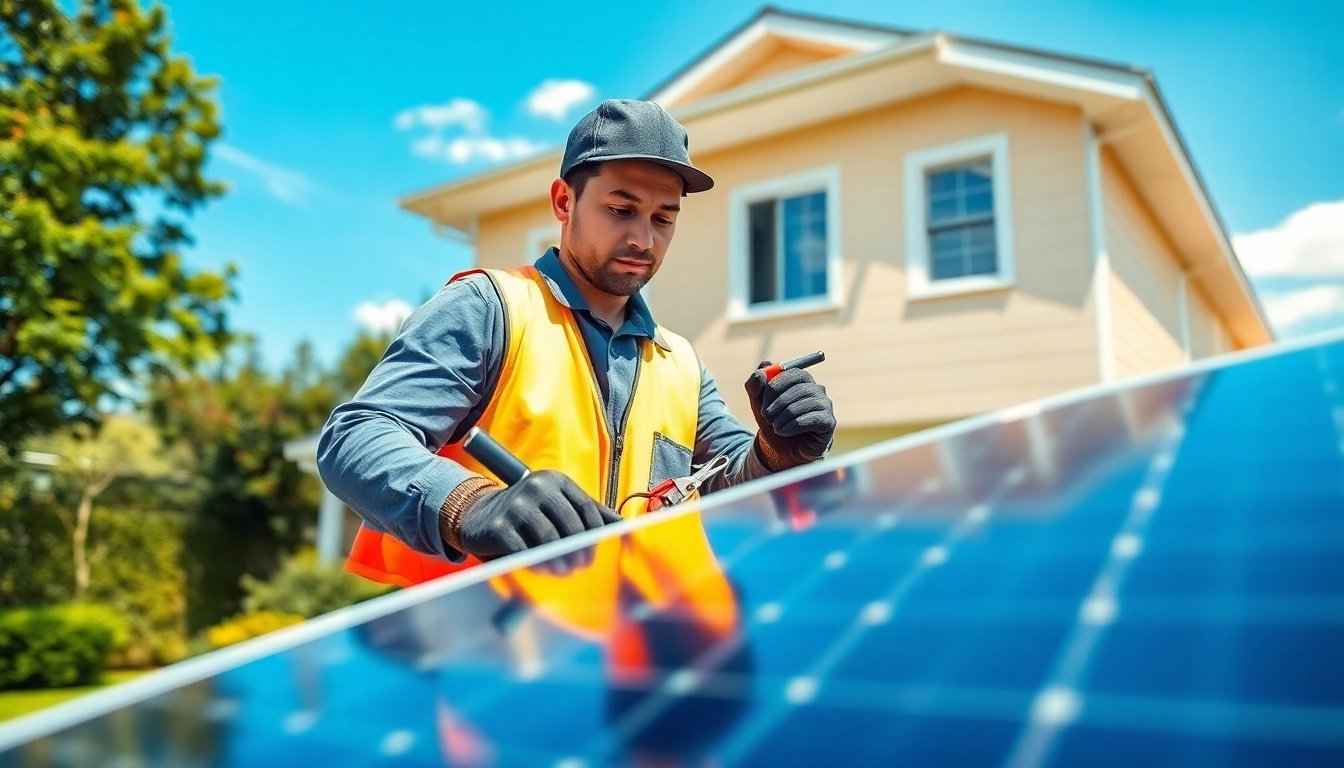
Understanding the Basics of Solar System Repair
What is Solar System Repair?
Solar system repair encompasses various maintenance and corrective actions on solar panels, inverters, batteries, and other components of the solar energy system. As solar technology increasingly becomes a staple in sustainable energy solutions, understanding the intricacies of solar system repair is essential. It's vital to maintain these systems to ensure they operate efficiently and reliably, maintaining optimal energy output and saving money on electricity costs. A common initial step involves identifying specific issues that may hinder performance, leading to the necessity for solar system repair.
Common Issues Impacting Solar Systems
Several factors can lead to the need for solar system repair, including environmental degradation, technical failures, or improper installation. The most frequently encountered issues are:
- Panel Damage: Solar panels can be subject to physical damage from storms, falling debris, or even pests. Cracks or shattered glass can significantly decrease efficiency.
- Inverter Malfunctions: The inverter, which converts the direct current (DC) produced by the panels into alternating current (AC) for home use, can fail due to overheating or component wear and tear.
- Wiring Issues: Corrosion, loose connections, or shorts in the wiring can disrupt energy transfer and pose safety hazards.
- Battery Problems: In battery storage systems, performance degradation or electrical faults can limit energy availability during peak usage times.
- Performance Monitoring Failures: Inefficient monitoring can lead to unnoticed issues. Regular updates are crucial for maintaining system health.
Importance of Timely Repairs
Timely repairs of solar systems heighten efficiency and prolong the lifespan of components. Neglecting minor issues can escalate into major problems that may require extensive repairs or replacement. Here are key reasons highlighting the importance of prompt repairs:
- Proper functioning systems ensure maximum energy output, leading to substantial savings on electricity bills.
- Preventing further degradation reduces long-term repair costs.
- Timely repairs maintain warranty validity, protecting against financial loss for major system failures.
- Regular maintenance elevates system reliability, thus enhancing overall homeowner satisfaction.
Identifying Solar System Problems
Signs Your Solar System Needs Repair
Recognizing the need for solar system repair is paramount for performance sustainability. Here are signs that indicate your solar system may require attention:
- Reduced Output: If your energy output significantly drops compared to previous months, it might indicate underlying issues.
- Visible Damage: Cracks, discolorations, or physical damage on solar panels should not be overlooked, as they directly impact performance.
- Inverter Errors: If the inverter displays error codes or warning lights, it’s time to consult with a technician.
- High Maintenance Costs: Increasing costs for maintenance and repairs may signal an aging system requiring replacement.
- No Monitoring Readings: If performance monitors are not providing updates, there could be issues with data transmission.
How to Diagnose Solar System Issues
Diagnosing solar system issues typically requires a systematic approach. Homeowners can begin with routine visual inspections, assessing for clear signs of damage. Beyond that, the following steps can help formally identify issues:
- Use performance monitoring applications to assess energy output over time.
- Inspect wiring and connections for signs of wear or corrosion.
- Check the inverter for any visible error codes or malfunction indicators.
- Examine surrounding areas for obstructions blocking sunlight from panels.
- Engage a professional for deeper assessments, including thermal imaging and electrical testing.
The Role of Professional Technicians
While many homeowners can perform basic inspections, professional technicians play a critical role in diagnosing and repairing solar systems. Their expertise allows for:
- Thorough diagnostics that reveal hidden issues not easily detected by the untrained eye.
- Expert knowledge of local regulations and guidelines, ensuring repairs are compliant.
- Access to high-quality replacement parts that meet or exceed the original specifications.
- Comprehensive servicing capabilities that can extend system lifespan and efficiency.
Best Practices for Solar System Repair
Regular Maintenance and Inspection
Regular maintenance can prevent minor issues from escalating into more serious problems requiring substantial repairs. Develop a schedule that aligns with seasonal changes and potential environmental impacts. Key maintenance practices include:
- Periodic visual inspections to identify damage and debris buildup.
- Scheduled cleaning of solar panels to ensure efficient solar absorption.
- System checks every six months to ensure inverter and monitoring functions as intended.
- Professional annual assessments to evaluate performance metrics and potential inefficiencies.
Choosing High-Quality Replacement Parts
When repairs are necessary, it is crucial to use high-quality replacement parts. Subpar components can lead to recurring issues and substantially decrease system efficiency and lifespan. Considerations for choosing parts include:
- Compare warranty options that reflect the manufacturer's confidence in quality.
- Research part specifications to ensure compatibility with your system.
- Opt for components recommended by reputable technicians or manufacturers.
- Understand the implications of different brands on system performance and efficiency.
Safety Measures During Repairs
Conducting solar system repairs necessitates awareness of safety precautions to prevent accidents, including electrical shock or falls. Basic safety measures include:
- Ensure power is disconnected before starting any repairs.
- Utilize insulated tools and wear protective eyewear when handling electrical components.
- Use fall protection gear when working at heights, especially when inspecting or repairing rooftop systems.
- Follow all guidelines and regulations outlined in the system’s installation manual.
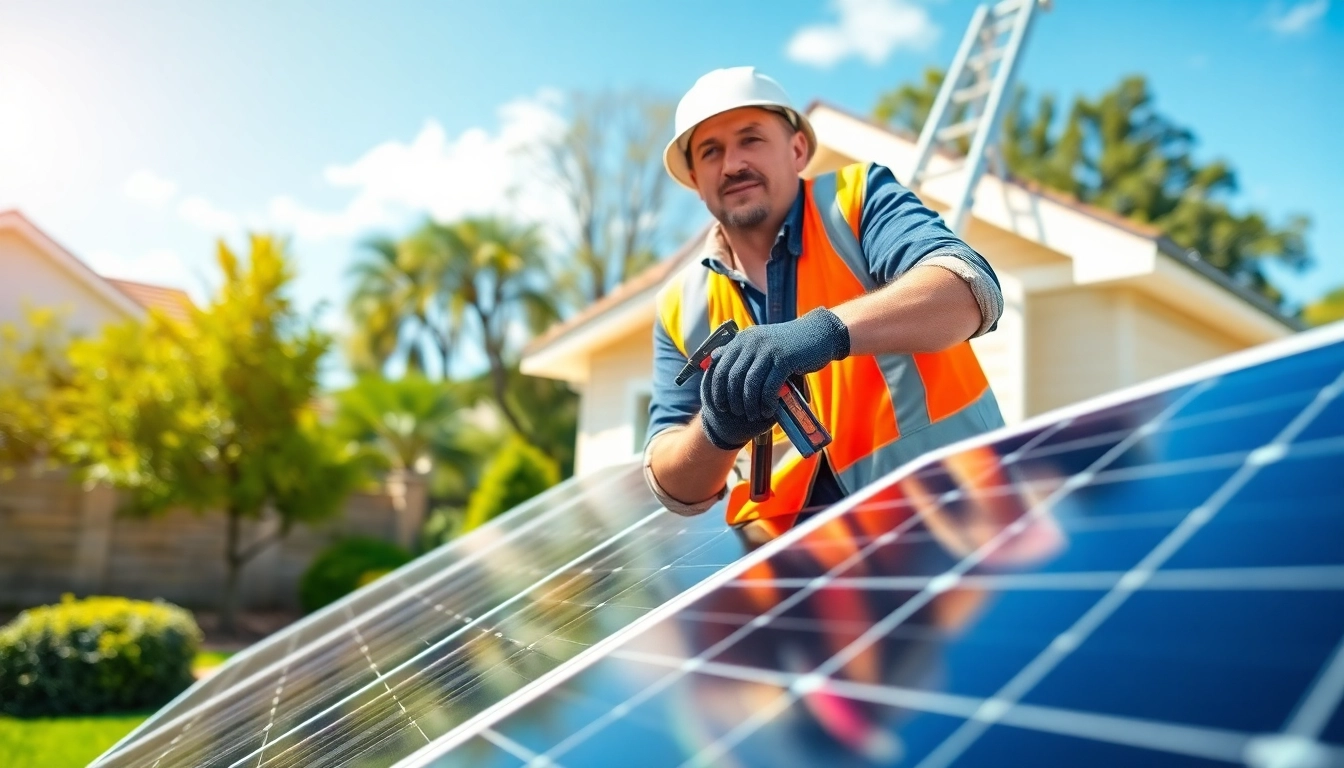
Cost Factors in Solar System Repair
Average Costs of Common Repairs
Understanding repair costs helps in budgeting for potential repairs. While costs can vary based on region and service provider, here are some typical expenses:
- Panel Replacement: $200-$500 per panel, depending on brand and efficiency.
- Inverter Replacement: $1,000-$3,000 based on inverter type (string vs. micro-inverters).
- Wiring Repairs: $100-$400 depending on complexity and length.
- Battery Replacement: $300-$1,000 or more, depending on storage capacity.
Insurance and Warranty Considerations
Many homeowners may not be aware of how insurance and warranties apply to solar systems. Consider these factors:
- Homeowners' insurance may cover repairs as long as the system is documented in the policy.
- Warranty conditions often include clauses that dictate the necessity of professional repairs to maintain coverage validity.
- Inquire about what is covered under manufacturer warranties, including parts and labor.
How to Budget for Future Repairs
Budgeting for potential repairs should be an integral part of solar system ownership. Potential strategies include:
- Setting aside a specific percentage of yearly electricity savings into a maintenance fund.
- Researching common repair costs associated with your solar system specifications.
- Assessing system age and performance history to estimate potential future investment needs.
FAQs about Solar System Repair
Can I repair solar panels myself?
While minor maintenance tasks can be performed by homeowners, repairs should ideally be conducted by qualified technicians to ensure safety and compliance with regulations.
How often should I have my solar system inspected?
It is generally recommended to inspect your solar system at least once a year, although more frequent checks may be beneficial after severe weather events.
What common problems require solar system repair?
Frequent issues include physical damage to panels, inverter failures, wiring faults, and battery malfunctions, all of which can disrupt system efficiency.
How do I choose a repair technician?
Look for certified professionals with experience in solar system repair. Reading reviews and asking for referrals can help ensure quality service.
Are solar panel repairs usually expensive?
Repair costs vary based on the issue; however, timely maintenance can help prevent costly repairs and prolong the system's operational life.