
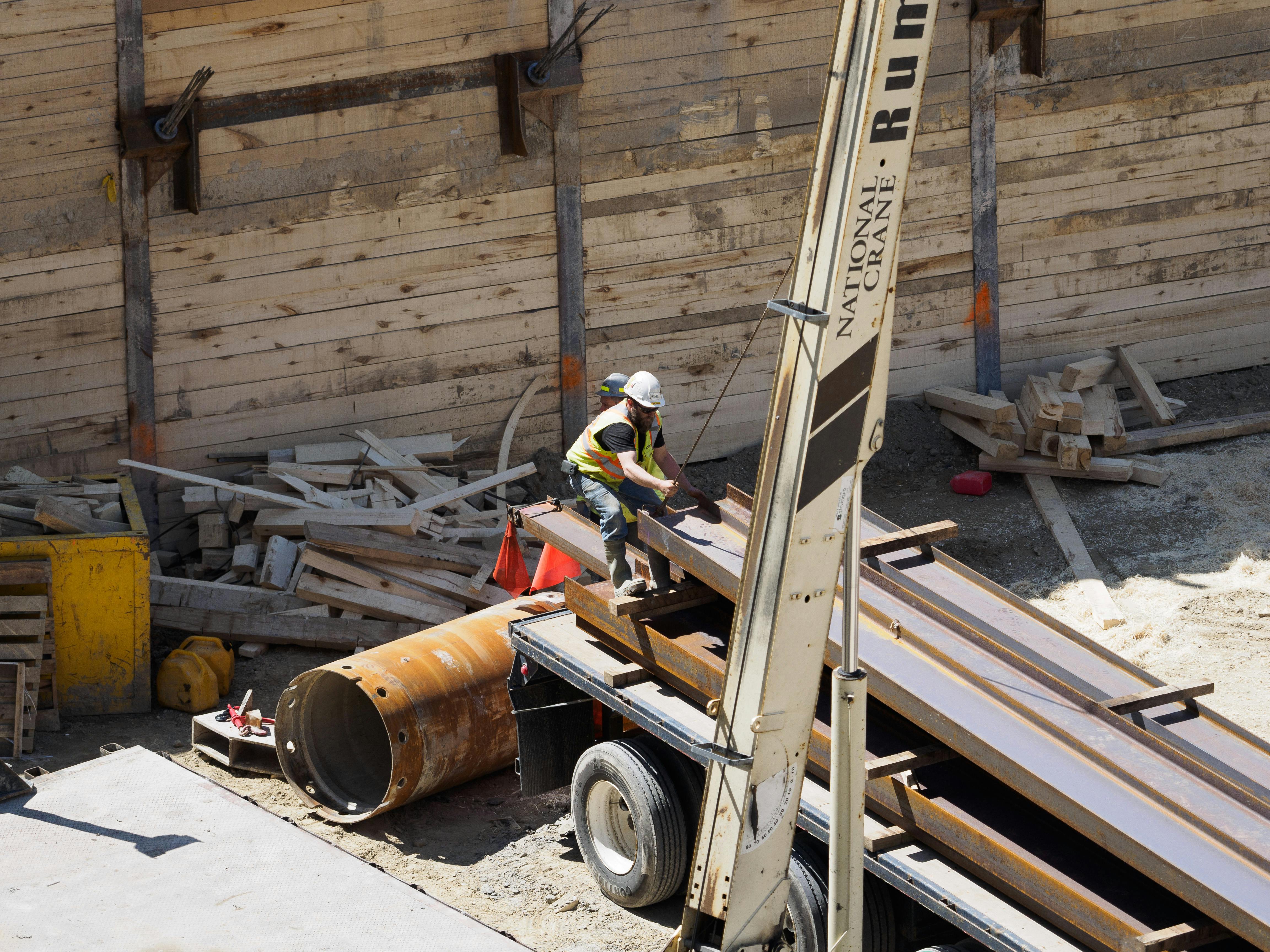
Introduction
The construction industry plays a vital role in building communities, supporting economic growth, and creating essential infrastructure. However, construction sites are among the most hazardous workplaces due to the presence of heavy equipment, elevated work areas, electrical systems, and constantly changing environments. To protect workers and ensure compliance with safety regulations, construction safety training south carolina has become a critical investment for contractors, project managers, and construction companies.
Proper safety training helps employees recognize hazards, prevent accidents, and maintain a safe working environment. Companies that prioritize construction safety training south carolina not only reduce workplace injuries but also improve productivity, strengthen compliance, and enhance their reputation within the industry. As construction projects continue to expand across the state, the importance of comprehensive safety education has never been greater.
Understanding the Importance of Construction Safety Training
Safety training is designed to educate workers about potential hazards, safe work practices, emergency procedures, and regulatory requirements. Construction sites involve numerous risks, including falls, equipment accidents, electrical hazards, and exposure to dangerous materials.
Construction safety training south carolina provides workers with the knowledge and skills necessary to identify risks before they become serious incidents. Through structured training programs, employees learn how to use protective equipment correctly, follow established safety procedures, and respond effectively during emergencies.
Organizations that invest in construction safety training south carolina create a culture where safety becomes a shared responsibility among all team members.
Common Hazards on Construction Sites
Construction environments present a wide variety of risks that can impact worker safety and project success. Understanding these hazards is an essential component of construction safety training south carolina.
Falls from Heights
Falls remain one of the leading causes of injuries and fatalities in the construction industry. Workers often perform tasks on scaffolding, ladders, roofs, and elevated platforms. Proper fall protection training helps employees understand how to use harnesses, guardrails, and other safety systems.
Electrical Hazards
Construction workers frequently work around electrical systems, temporary wiring, and power tools. Construction safety training south carolina teaches workers how to recognize electrical hazards and follow safe procedures when working near energized equipment.
Equipment and Machinery Accidents
Heavy machinery such as cranes, forklifts, excavators, and loaders can cause severe injuries if operated improperly. Comprehensive training ensures that workers understand equipment safety protocols and operational best practices.
Struck-By and Caught-In Hazards
Workers can be injured by falling objects, moving vehicles, or collapsing structures. Construction safety training south carolina focuses on hazard recognition and preventive measures that minimize these risks.
Benefits of Construction Safety Training South Carolina
Investing in worker education provides numerous advantages for construction businesses and employees alike.
Reduced Workplace Injuries
One of the primary goals of construction safety training south carolina is reducing accidents and injuries. Workers who understand safety procedures are more likely to identify hazards and avoid dangerous situations.
Improved Regulatory Compliance
Construction companies must comply with federal and state safety regulations. Construction safety training south carolina helps organizations stay compliant with applicable standards and avoid costly penalties.
Increased Productivity
Safe workplaces experience fewer disruptions caused by accidents, investigations, and worker absences. Employees who feel protected can focus more effectively on their responsibilities.
Lower Insurance Costs
Companies with strong safety records often benefit from lower insurance premiums. Regular construction safety training south carolina demonstrates a commitment to risk management and accident prevention.
Enhanced Company Reputation
Clients and stakeholders prefer working with contractors who prioritize worker safety. Maintaining a strong safety culture through construction safety training south carolina can improve a company's reputation and competitiveness.
Key Components of Effective Safety Training Programs
An effective training program should address the unique risks associated with construction activities while providing practical guidance for workers.
Hazard Recognition
Employees must learn how to identify potential hazards before beginning any task. Construction safety training south carolina emphasizes proactive hazard assessment and risk mitigation strategies.
Personal Protective Equipment (PPE)
Workers should understand the importance of proper PPE use, including hard hats, safety glasses, gloves, high-visibility clothing, and fall protection equipment.
Emergency Response Procedures
Every construction site should have emergency plans for fires, medical incidents, severe weather, and other emergencies. Construction safety training south carolina ensures workers know how to respond quickly and effectively.
Equipment Safety
Proper equipment operation is essential for preventing accidents. Training programs should include equipment inspections, maintenance procedures, and safe operating practices.
Communication and Reporting
Workers should be encouraged to report unsafe conditions and near misses. Construction safety training south carolina promotes open communication that helps prevent future incidents.
Creating a Safety-First Culture
Safety training is most effective when it becomes part of a broader organizational culture. Leadership plays a crucial role in establishing expectations and demonstrating commitment to worker protection.
Managers and supervisors should actively participate in construction safety training south carolina initiatives and reinforce safety practices during daily operations. Regular safety meetings, toolbox talks, and ongoing education help maintain awareness throughout every project phase.
When employees observe leadership prioritizing safety, they are more likely to follow established procedures and contribute to a safer workplace.
The Role of Ongoing Training
Safety training should not be viewed as a one-time event. Construction environments constantly change, introducing new equipment, procedures, and hazards. Ongoing construction safety training south carolina ensures workers remain informed and prepared to address evolving risks.
Refresher courses help reinforce critical concepts and address any gaps in knowledge. Continuous education also allows organizations to stay updated with regulatory changes and industry best practices.
Regular construction safety training south carolina sessions create opportunities to review incident reports, discuss lessons learned, and strengthen overall safety performance.
Compliance and Legal Responsibilities
Construction companies have a responsibility to provide safe working conditions for their employees. Compliance with safety regulations is essential for protecting workers and avoiding legal consequences.
Construction safety training south carolina supports compliance efforts by educating workers about applicable standards and employer responsibilities. Proper documentation of training activities can also demonstrate a company's commitment to safety during inspections and audits.
By implementing comprehensive construction safety training south carolina programs, employers can reduce liability exposure while protecting their workforce.
Safety Training for Different Construction Roles
Different job functions require specialized safety knowledge. Effective training programs should address the unique responsibilities of each role.
Laborers
Laborers need training on hazard recognition, PPE use, material handling, and site-specific safety procedures.
Equipment Operators
Operators require detailed instruction on equipment operation, inspections, maintenance, and emergency procedures.
Supervisors
Supervisors play a key role in enforcing safety policies and monitoring compliance. Construction safety training south carolina helps supervisors develop leadership skills that support workplace safety.
Contractors and Subcontractors
All contractors working on a project should receive consistent safety training to ensure alignment with site requirements and expectations.
How Safety Training Improves Project Success
Safety and project performance are closely connected. Construction projects that prioritize worker safety often experience better outcomes in terms of efficiency, quality, and profitability.
Construction safety training south carolina helps reduce delays caused by accidents, equipment damage, and regulatory violations. Workers who understand safety expectations are more likely to perform tasks correctly and contribute to smooth project execution.
By investing in construction safety training south carolina, organizations can improve workforce morale, increase operational efficiency, and strengthen client confidence.
Choosing the Right Safety Training Partner
Selecting a qualified training provider is essential for achieving meaningful results. Organizations should seek providers with industry expertise, experienced instructors, and comprehensive course offerings.
The best construction safety training south carolina programs combine classroom instruction with practical, hands-on learning experiences. Training should be relevant to the specific hazards workers encounter on the job and should provide actionable guidance that can be applied immediately.
A reliable training partner can help companies build long-term safety strategies that support both compliance and operational excellence.
Conclusion
Creating safer job sites requires a proactive commitment to education, awareness, and continuous improvement. Construction safety training south carolina equips workers with the skills and knowledge needed to identify hazards, prevent accidents, and maintain compliance with industry regulations. By investing in comprehensive construction safety training south carolina programs, construction companies can reduce workplace injuries, improve productivity, strengthen their safety culture, and enhance overall project performance. As the construction industry continues to grow, prioritizing construction safety training south carolina remains one of the most effective ways to protect workers, achieve operational success, and create safer environments for everyone involved.