
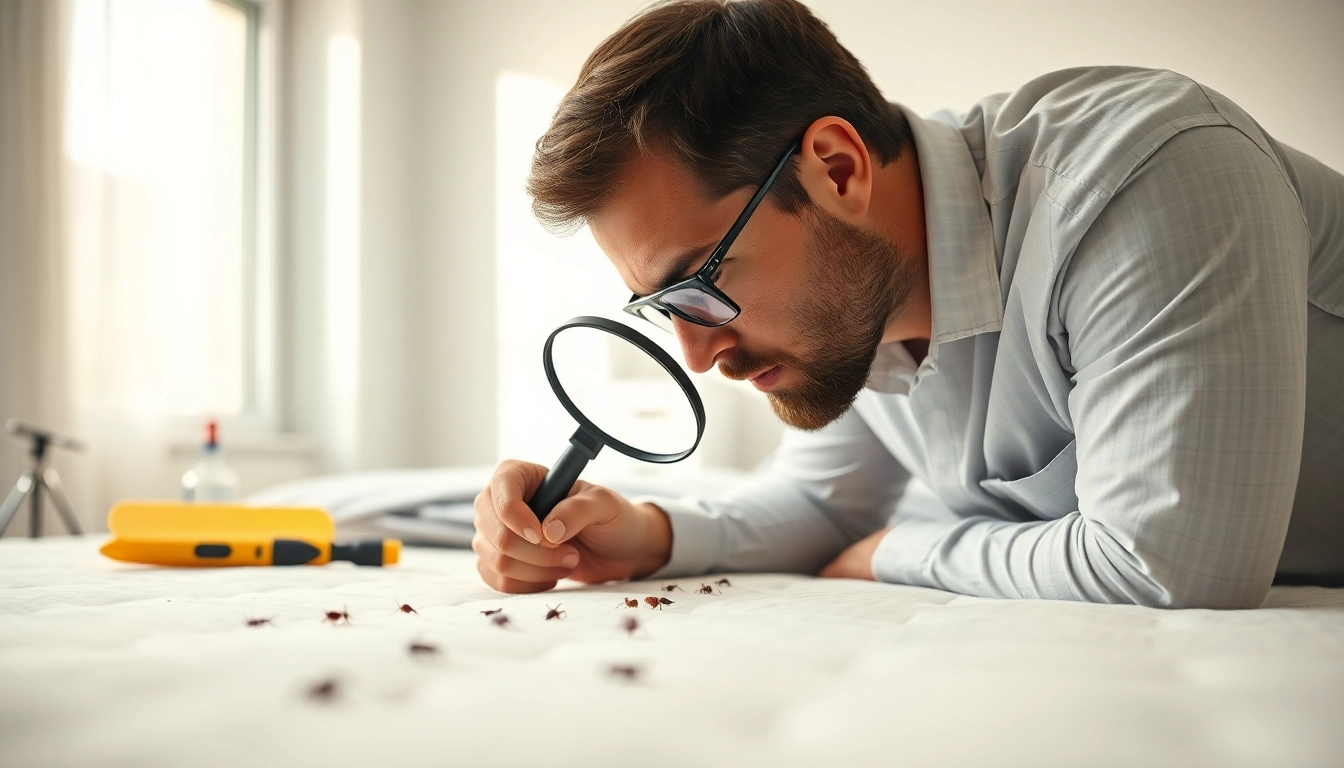
Understanding Bed Bugs and Their Impact
Bed bugs are more than just a nuisance; they can significantly impact your physical and mental well-being. These pests are adept at hiding and can spread rapidly throughout your living spaces, making early detection critical. Identifying effective bed bug treatment methods is essential for safeguarding your home and health.
What Are Bed Bugs?
Bed bugs, scientifically known as Cimex lectularius, are small, wingless insects that feed on the blood of warm-blooded animals, particularly humans. Generally resembling apple seeds in size and shape, adult bed bugs can grow up to 5-7 millimeters long and are reddish-brown. Their flattened bodies allow them to hide easily in crevices and bedding, making them elusive. A female bed bug can lay hundreds of eggs in her lifetime, leading to quick infestations.
Signs of Infestation
Detecting a bed bug infestation can be challenging, but certain signs can alert you to their presence. Key indicators include:
- Small blood stains on sheets or pillows from crushed bugs.
- Dark, rust-colored spots of bed bug excrement on bedding and walls.
- Presence of shed exoskeletons, which occur as bed bugs molt.
- Unexplained itchy welts on your body, usually clustered.
Regular inspections of bedding, mattresses, and furniture can help catch infestations early.
The Importance of Timely Bed Bug Treatment
Delaying treatment can exacerbate an infestation, leading to more severe issues such as anxiety, insomnia, and even secondary infections from scratching bites. The longer bed bugs remain unaddressed, the more complex and costly the treatment becomes due to their rapid reproduction capacity. Timely intervention ensures effective resolution and minimizes health risks.
Home Remedies for Initial Bed Bug Treatment
While professional treatment is often necessary for severe infestations, several home remedies can provide immediate relief and assist in controlling early stages of infestation.
Natural Solutions for Immediate Relief
Natural solutions can offer some immediate results against bed bugs. Essential oils, such as tea tree oil and lavender oil, are known for their insect-repelling properties. Diluting these oils in water and spraying them on infested areas can deter bugs effectively. Additionally, using vinegar can kill bed bugs on contact and provide a temporary repellent.
Homemade Traps and Prevention Methods
Creating homemade traps can be effective in monitoring and controlling bed bug populations. A simple trap involves a bowl filled with soapy water placed under a nightstand. The soap breaks the water's surface tension, preventing bed bugs that fall in from escaping. Regularly vacuuming and laundering bedding in hot water are also crucial steps for preventing spread.
When to Seek Professional Help
If home remedies do not yield favorable results within a few weeks or if the infestation spreads beyond control, it is time to consult professional exterminators. Professionals have access to specialized techniques and treatments that are more effective than DIY methods.
Professional Bed Bug Treatment Options
When faced with a severe infestation, professional bed bug treatments are typically the most effective. These treatments can vary by method and application.
Heat Treatments Explained
Heat treatments involve raising the temperature of infested areas to levels lethal to bed bugs, typically around 120°F (49°C). This method can eradicate bugs in all life stages, including eggs, within a few hours. It is crucial to ensure all items in the treated space can withstand high temperatures, as some materials may be damaged.
Chemical Treatments and Their Effectiveness
Chemical treatments involve the application of pesticides specifically formulated for bed bugs. These products may include residual insecticides that keep killing bugs over time. However, the use of chemicals can carry certain risks, including exposure to toxic substances; therefore, proper application and safety precautions are essential.
Comprehensive Extermination Process
A reliable extermination process typically involves several steps: inspection, treatment, and follow-up. During the inspection phase, professionals conduct a thorough assessment to identify the severity and locations of the infestation. Following treatment, a follow-up evaluation helps ensure that the problem has been resolved and assess any need for additional treatment.
Preparing Your Home for Bed Bug Treatment
Proper preparation can significantly enhance the effectiveness of both professional and DIY bed bug treatments. Keeping your home organized and clean before treatment can reduce clutter and increase the treatment's efficacy.
Steps to Take Before Treatment
Before treatment, it is essential to prepare the infested areas. This includes:
- Cleaning and decluttering bedrooms and living spaces.
- Removing bedding and washing it in hot water.
- Vacuuming carpets and furniture thoroughly, disposing of the vacuum bag afterward.
Items to Remove and Clean
Before treatment begins, remove items from the infested area to reduce hiding spots. This includes clothing, bedding, and personal items. Washing these items in hot water can help eliminate any bugs present. Seal items that cannot be washed in bags until after treatment to prevent reinfestation.
Dealing with Personal Belongings
When dealing with personal belongings, consider treating them individually. It may involve using heat treatment, sealing items in plastic bags, or applying natural deterrents. Ensuring that personal items are properly managed is crucial in controlling the infestation and preventing a resurgence.
Post-Treatment Strategies for Long-Term Success
Once a bed bug treatment has been conducted, implementing post-treatment strategies is critical to prevent reinfestation. Maintaining vigilance and hygiene can make a significant difference.
Ongoing Monitoring and Maintenance
Regular monitoring of treated areas is essential. Consider installing bed bug interceptors beneath bed legs to catch any bugs before they can climb onto your mattress. Periodically checking for signs of bed bugs will help ensure early detection and allow for swift action if issues arise.
Preventative Measures to Avoid Reinfestation
Adopting preventative practices is vital in avoiding future infestations. These methods include:
- Regularly vacuuming and cleaning home environments.
- Maintaining clutter-free living spaces.
- Inspecting any incoming used furniture or clothing before introduction into the home.
Follow-Up Evaluations and Professional Guidance
After initial treatment, a follow-up evaluation can help assess the effectiveness of the treatment. Professionals can provide additional treatment options or guidance for continued prevention strategies, ensuring your living environment remains bed bug-free.
Frequently Asked Questions
What kills bed bugs instantly?
Heat is one of the most effective methods for instantly killing bed bugs. Temperatures above 120°F (49°C) can eliminate them quickly. Alternatively, certain insecticides can also kill bed bugs on contact.
How do I know if I have bed bugs?
Signs of bed bugs include small bites on your skin, blood stains on bedding, dark spots of fecal matter, and shed skins. If you frequently experience itchy welts, inspect your sleeping area for these signs.
Can I treat bed bugs myself?
DIY treatments can be effective at first for small infestations. Home remedies like heat applications and essential oils can offer relief, though professional treatment is often necessary for severe infestations.
How long does a bed bug treatment take?
The duration of treatment varies by infestation severity. Comprehensive treatments can take a few hours to address an area effectively, with follow-up treatments often required over several weeks to ensure complete elimination.
Do I need to vacate during treatment?
Depending on the treatment method, you may need to stay away from your home for a few hours to several days. Professionals will provide guidance on safety measures and how long you should remain vacated.