Understanding Retail Video Analytics
What is Retail Video Analytics?
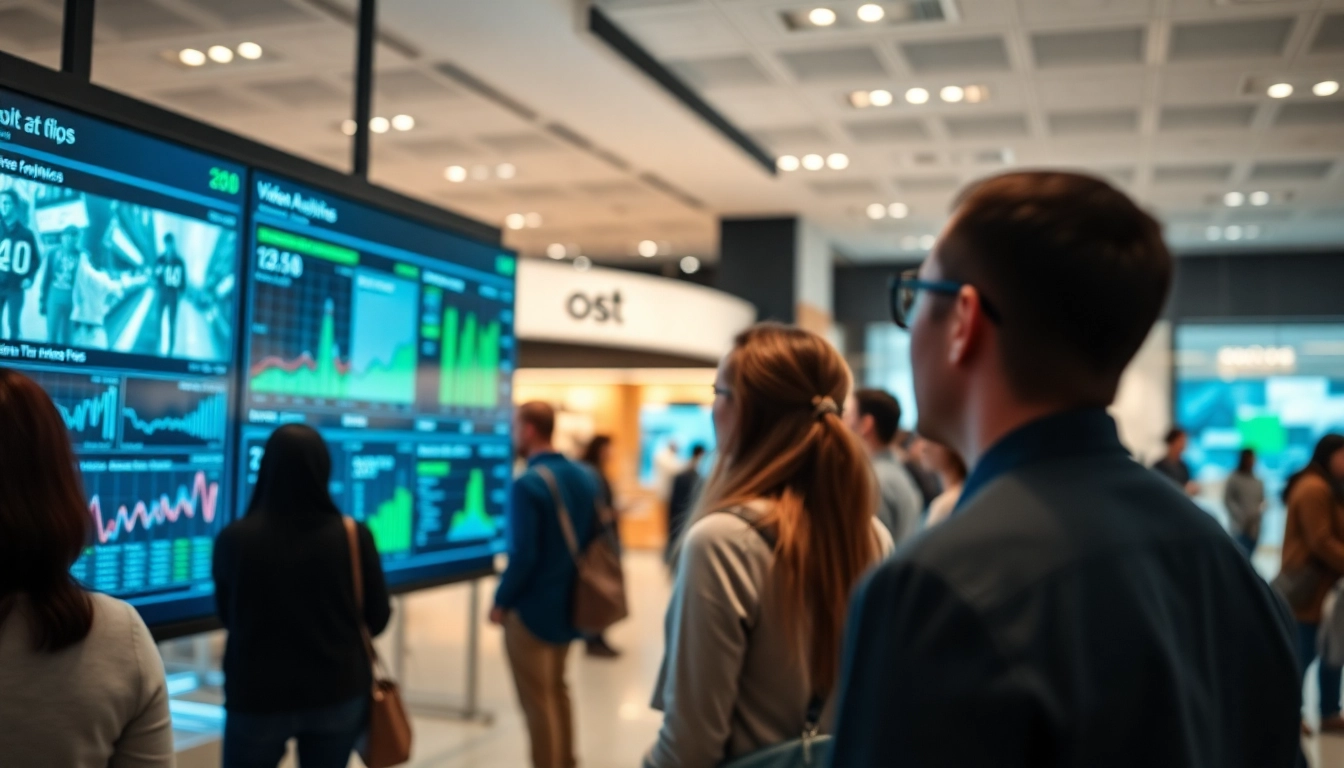
Retail video analytics refers to the use of advanced technologies to analyze video footage collected from in-store cameras and surveillance systems. By leveraging machine learning and artificial intelligence, retailers glean actionable insights into customer behavior, foot traffic patterns, and store operations. This transformative approach helps businesses make more informed decisions by turning complex visual data into comprehensible metrics that drive growth and efficiency. With the increasing reliance on data-driven strategies in retail, retail video analytics has emerged as a crucial cornerstone for optimizing retail operations.
How Retail Video Analytics Works
The process of retail video analytics involves several key steps. At its core, cameras capture footage within a retail environment, which is then processed using algorithms to identify patterns and behaviors. These systems can detect factors such as customer demographics, dwell times, and peak shopping hours.
Advanced systems utilize artificial intelligence to differentiate between various customer interactions and behaviors, enabling retailers to understand not just how many people visit their stores, but how long they stay, where they go, and what attracts their attention. The integration of real-time processing means that these insights can be acted upon quickly, making it possible for retailers to adjust their operations on the fly.
Key Components of Retail Video Analytics
Retail video analytics encompasses several components, including:
- Surveillance Cameras: High-definition cameras placed strategically throughout the store facilitate comprehensive monitoring.
- Data Analytics Software: Software solutions that process and analyze the visual data collected from cameras.
- Machine Learning: Algorithms that improve over time by learning from past data, enhancing accuracy of predictions and insights.
- Integration Capabilities: The ability to connect with other retail management systems, such as POS and inventory management software, to provide a holistic view of store operations.
Benefits of Retail Video Analytics
Improving Customer Experience with Retail Video Analytics
One of the most significant advantages of retail video analytics is its ability to enhance customer experience. By analyzing foot traffic and customer behavior, retailers can optimize store layouts and product placements to meet customer preferences and improve accessibility. For example, if analytics reveal that certain products attract significant foot traffic but are often overlooked, retailers may decide to relocate them to more prominent positions to increase visibility and sales.
Furthermore, the insights obtained can help in personalizing customer interactions. Understanding when specific demographics shop can equip staff with the knowledge to tailor their approach, facilitating a more welcoming and customized shopping experience.
Boosting Sales and Reducing Operational Costs
Through the utilization of retail video analytics, businesses can not only boost sales but also streamline their operations. Data-driven insights lead to better inventory management, reducing excess stock and associated costs. For instance, understanding peak shopping periods allows retailers to manage staffing levels effectively, ensuring they are neither overstaffed nor understaffed, which can otherwise lead to lost sales opportunities and increased operational costs. Moreover, based on observed consumer patterns, targeted promotions can be implemented to convert foot traffic into sales effectively.
Utilizing Insights to Inform Business Decisions
Retail video analytics transforms subjective assumptions into objective data. Retailers can track the effectiveness of marketing campaigns based on customer interactions and responses in real time. This real-time feedback loop enables businesses to adapt strategies promptly, whether it’s modifying a promotional display or changing product lines based on consumer interest. The implementation of metrics derived from video analytics helps in conducting more effective strategic planning moving forward.
Implementing Retail Video Analytics
Choosing the Right Tools for Retail Video Analytics
When seeking to implement retail video analytics, it is crucial to select tools that align with your business’s specific needs and goals. Factors to consider include:
- Camera Quality: High-definition cameras ensure the clarity of footage, which is critical for accurate analysis.
- Software Capabilities: Consider solutions that offer customizable analytics features to target specific business requirements.
- Integration: The ability to work seamlessly with existing systems, including point-of-sale or customer relationship management software, is essential.
- Scalability: As your business grows, your analytics capabilities should be able to expand concurrently without major overhauls.
Steps to Integrate Retail Video Analytics into Your Business
Integrating retail video analytics requires meticulous planning and execution. Here are essential steps:
- Assessment: Evaluate your current surveillance systems and identify areas for improvement.
- Research: Investigate available tools and solutions that fit your specific retail environment.
- Implementation: Collaborate with your IT team or a solution provider to set up the chosen tools.
- Training: Ensure staff members are trained on how to utilize the analytics insights effectively.
- Monitoring: Regularly review analytics outputs and adjust strategies based on data findings.
Key Performance Metrics to Monitor
To measure the effectiveness of retail video analytics, it is essential to track several key performance metrics:
- Foot Traffic: Measure the number of visitors during specific timeframes to identify trends.
- Dwell Time: Analyze how long customers spend in different areas of the store.
- Conversion Rate: Determine the rate of visitors who make purchases versus those who simply browse.
- Customer Demographics: Track the age, gender, and preferences of shoppers based on the gathered insights.
- Item Interactions: Identify how often products are picked up, examined, or added to carts, contributing to optimizing product placement.
Challenges in Retail Video Analytics
Data Privacy and Security Considerations
As retail video analytics relies heavily on data collection, it is paramount to address data privacy and security. Retailers must implement clear policies regarding data usage and ensure compliance with relevant regulations, such as GDPR. Concerns often arise about customer consent and transparency, making it essential to communicate how data is collected and used in enhancing the shopping experience.
Managing Data Overload in Retail Video Analytics
With the vast amounts of data collected through video analytics, retailers may face challenges in managing and interpreting this information effectively. Employing sophisticated, AI-driven analytics software can simplify data management, helping distill relevant insights while eliminating irrelevant noise. Establishing clear goals for what insights to extract from the data can also make the analysis process more straightforward and focused.
Solving Common Implementation Issues
When integrating retail video analytics, common issues such as software compatibility and hardware malfunctions can arise. It’s vital to conduct thorough testing before going live and to ensure all systems (cameras and software) work harmoniously. Regular maintenance of hardware and training for staff on troubleshooting common issues can prevent downtime, maximizing the benefits of analytics.
Future Trends in Retail Video Analytics
Evolution of Technology in Retail Video Analytics
The retail landscape is constantly evolving, and technology plays a central role in the development of retail video analytics. With continuous advancements in AI and machine learning, retailers can expect to see even more robust analytical capabilities. Improvements in computer vision technology will further enhance the ability to glean insights from video data.
Impact of AI on Retail Video Analytics
Artificial intelligence is set to revolutionize retail video analytics by enabling more precise predictions and automating tasks that would traditionally require human oversight. Beyond analyzing customer behavior, AI can facilitate predictive maintenance for surveillance equipment and enhance real-time decision-making processes. The continuous interplay between AI and video analytics will lead to more personalized shopping experiences and streamlined operations.
Predictions for Retail Video Analytics Growth
The trajectory of retail video analytics points toward significant growth as more retailers embrace data-driven decision-making. The increasing value placed on customer experience will propel further investments in analytics technologies. Anticipating this shift, retailers should remain adaptable, exploring new tools and staying informed about industry trends to stay ahead in the competitive retail environment.
FAQs
What is the purpose of retail video analytics?
Retail video analytics aims to enhance store operations by providing insights into customer behavior, traffic patterns, and sales performance, leading to better decision-making.
How can retail video analytics improve customer experience?
By understanding customer behavior, retailers can tailor services, layout, and promotions to better meet shopper needs, resulting in increased satisfaction and loyalty.
What tools are commonly used for retail video analytics?
Tools include video surveillance systems, analytics software, and AI-driven platforms that analyze footage to extract actionable insights about customer behavior.
What are the privacy concerns related to retail video analytics?
Privacy concerns focus on data collection, customer consent, and compliance with regulations such as GDPR, necessitating transparent policies regarding data usage.
What trends are shaping the future of retail video analytics?
Key trends include advancements in AI, machine learning, and greater data integration, leading to more robust and smarter analytics solutions for retailers.