
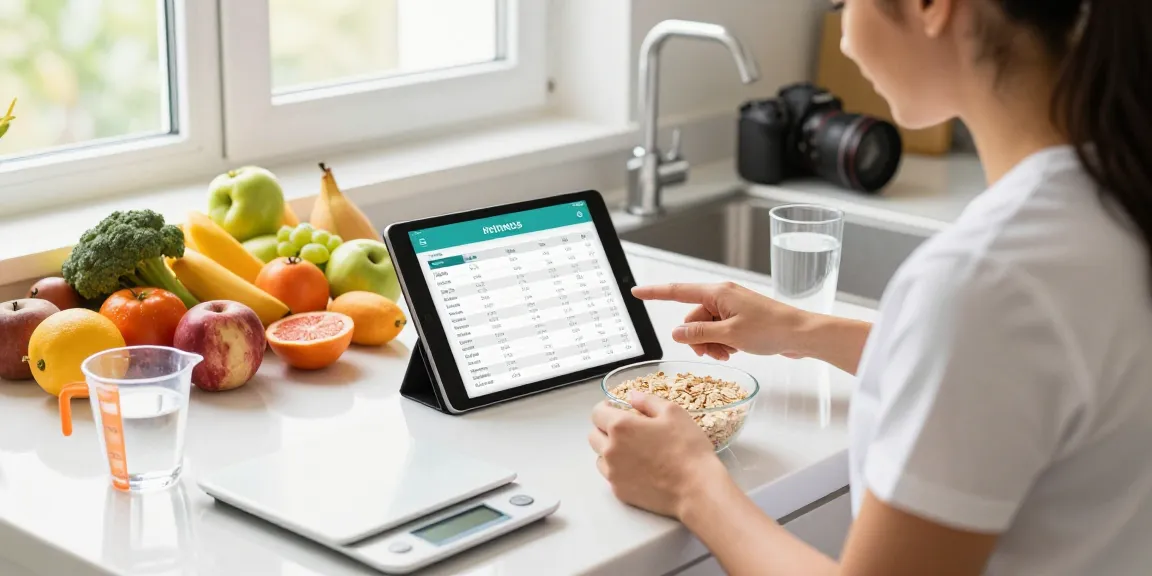
Understanding Food Tracking Apps
Food tracking apps have transformed the way individuals monitor their dietary habits, providing an easy and efficient means to achieve personal health goals. These applications not only allow users to log their food intake and measure caloric consumption, but they also offer insights into nutritional values and dietary trends. With the rise of technology, the best food tracking app options available today integrate advanced features such as barcode scanning, recipe logging, and even AI coaching to guide users towards more informed eating choices.
What is a Food Tracking App?
A food tracking app is a digital tool designed to help individuals log the foods they consume throughout the day. Users can input meals manually or use additional features such as barcodes and image recognition. The primary function of these apps is to calculate caloric intake and provide data on various nutrients, including proteins, fats, carbohydrates, vitamins, and minerals. By offering personalized insights, these apps can empower users to make healthier choices and reach their weight loss or dietary goals.
Importance of Food Tracking for Health Goals
Tracking food intake is crucial for anyone looking to manage their weight, improve nutritional habits, or address health concerns. By maintaining a record of what you eat and drink, you become more aware of your dietary patterns, which can lead to more mindful eating. People using food tracking apps often report better results in weight loss and maintenance, as the act of logging can highlight areas for improvement and motivate adherence to healthy diets. Furthermore, these apps can help identify food intolerances and encourage a balanced intake of macronutrients.
Overview of the Best Food Tracking Apps for 2026
In 2026, the landscape of food tracking apps is more competitive than ever. The best food tracking app options stand out for their user-friendly interfaces, reliable data, integration of advanced technology, and robust community support. Apps such as Welling, Cronometer, and MacroFactor lead the pack, offering unique features that cater to various dietary needs and preferences, while also focusing on providing a holistic view of nutrition management.
Choosing the Right Food Tracking App
Key Features to Consider in Food Tracking Apps
When selecting a food tracking app, it is essential to consider several key features to ensure it aligns with your personal health goals. Here are some critical attributes to look for:
- User Interface: A clean, intuitive interface will facilitate logging meals efficiently.
- Database Accuracy: An extensive database with verified food entries enhances the accuracy of calorie and nutrient tracking.
- Customizable Goals: The ability to set personalized calorie and nutrient targets can help tailor the app to individual needs.
- Integration with Other Apps: Compatibility with fitness trackers and health apps can offer a more comprehensive view of overall health.
- Community and Support: Access to community forums and expert guidance can provide motivation and assist with troubleshooting.
How to Assess Your Dietary Needs
Before choosing a food tracking app, it's crucial to assess your dietary needs and lifestyle. Consider questions like:
- What are my weight loss or health goals?
- Do I have specific dietary restrictions (e.g., gluten-free, vegan)?
- How much flexibility do I want in tracking my meals?
- What features do I find most helpful (e.g., recipes, meal planning)?
Taking the time to evaluate these factors will guide you towards selecting an app that can effectively support your dietary journey.
Evaluating User Experience and Interface Design
The user experience of a food tracking app can greatly influence how consistently a user will log their meals. An app that is easy to navigate will likely encourage regular use, which is vital for successful tracking. Look for apps that offer:
- Streamlined Meal Logging: Quick entry methods, such as barcode scanning or speech input.
- Visual Appeal: An attractive design that is easy on the eyes can enhance user satisfaction.
- Feedback Loops: Instant feedback on meal choices can help users adjust their diets in real-time.
Maximizing the Benefits of Food Tracking
Setting Realistic Goals with Food Tracking
To truly benefit from food tracking, it's important to set realistic and achievable goals. This could mean targeting a specific caloric intake, aiming for a certain nutrient balance, or tracking progress over time. By breaking down larger goals into smaller, manageable objectives, users are more likely to experience sustainable success.
Using App Analytics for Meal Planning
Many food tracking apps provide useful analytics that can improve meal planning. These insights allow users to see trends in their eating habits, identify areas lacking in nutrition, and plan meals that align with their dietary goals. For example:
- Using nutrient breakdowns to ensure a balanced intake of macronutrients.
- Identifying high-calorie or low-nutrient foods to limit in future meals.
- Incorporating variety by analyzing which foods are logged most frequently and experimenting with new recipes.
Common Mistakes to Avoid While Tracking
While food tracking can be highly beneficial, there are common mistakes users should strive to avoid:
- Poor Logging Habits: Failing to log meals consistently can lead to inaccurate data.
- Overlooking Portions: Not measuring portion sizes accurately can skew results.
- Neglecting Nutritional Quality: Focusing solely on calorie counts can ignore the importance of nutritional density.
Staying Motivated with Food Tracking
Incorporating Peer Support and Community Feedback
Many food tracking apps feature community forums where users can share experiences, challenges, and successes. Engaging with a community can provide motivation and keep users accountable. Participating in challenges or sharing milestones can foster a sense of belonging and determination.
Tracking Progress: Metrics to Focus On
Tracking progress is a vital part of the food tracking journey. Rather than only focusing on weight, users should consider additional metrics such as:
- Positive dietary shifts and increased nutrient intake
Celebrating Milestones and Achievements
Celebrating achievements, both big and small, can reinforce positive behaviors. Whether it’s reaching a target weight, consistently logging meals for a month, or trying a new healthy recipe, recognizing these milestones can boost motivation and commitment to healthy eating habits.
Future Trends in Food Tracking Technology
AI and Machine Learning in Food Tracking Apps
The integration of AI technology and machine learning is ushering in a new era for food tracking apps. These advancements can provide personalized meal suggestions, identify user preferences, and predict dietary needs based on real-time data. As these technologies evolve, users can anticipate even more tailored experiences, making food tracking simpler and more effective.
Personalization and Dietary Preferences
As people’s dietary preferences become increasingly diverse, food tracking apps are likely to offer more personalized features. Users will be able to customize their experience based on specific diets (e.g., paleo, vegan, keto) and individual goals, making it easier to find suitable recipes and meal ideas.
Predictions for Food Tracking Apps Beyond 2026
Looking ahead, the future of food tracking apps holds exciting possibilities. We can expect greater integration with wearable technology, enhanced social sharing features, and improved usability through voice commands and visual recognition. These advancements will continue to empower users in their health journeys, making food tracking a seamless part of their daily routines.
What are the benefits of using a food tracking app?
Food tracking apps offer numerous benefits, including increased awareness of dietary habits, better weight management, and the potential for improved nutritional intake. Users can gain insights into what they consume daily, which helps in making healthier decisions and sustaining those changes over time.
How accurate are food tracking apps for calorie counting?
The accuracy of food tracking apps can vary depending on the app's database and the precision with which users log their meals. Many leading apps feature extensive food databases that enhance accuracy, but users must also ensure they measure portions and enter foods correctly.
Can food tracking apps help with weight loss?
Yes, food tracking apps can significantly aid in weight loss efforts by encouraging users to monitor their caloric intake and fostering accountability. By logging meals and understanding their nutritional values, individuals are more likely to make informed choices that align with their health goals.