
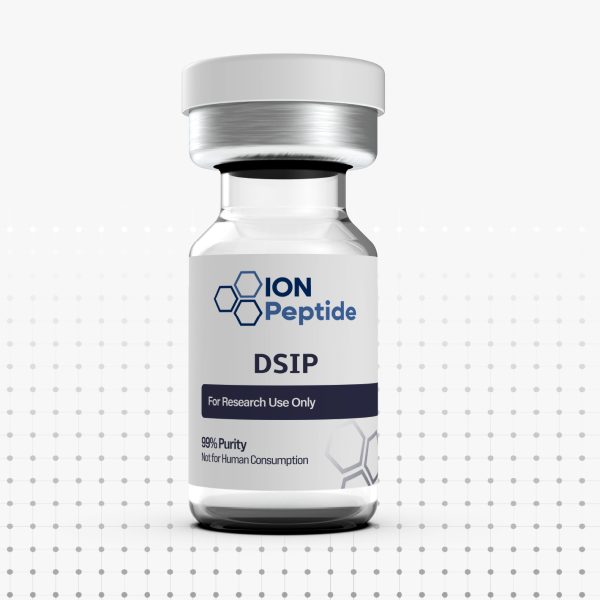
Introduction to Klow peptide
Klow peptide is increasingly being explored within modern biochemical and molecular biology research due to its potential relevance in metabolic regulation and cellular function analysis. Researchers studying complex biological systems often turn to Klow peptide as a theoretical and experimental tool to better understand how peptides influence intracellular signaling pathways and metabolic processes. The growing interest in Klow peptide has positioned it as a subject of discussion in laboratory-based investigations focused on energy balance, cellular communication, and biochemical adaptation mechanisms.
Within the scope of Ion Peptide research discussions, Klow peptide is often highlighted for its potential versatility in experimental models. Scientists investigating metabolic flux and cellular resilience may consider Klow peptide as a candidate molecule for controlled studies. Klow peptide is also frequently referenced in conceptual frameworks that aim to bridge molecular signaling with observable physiological outcomes. Because of this, Klow peptide continues to attract attention in research environments focused on advanced peptide science.
As interest expands, Klow peptide is being evaluated in terms of its possible roles in cellular adaptation mechanisms. Many research models aim to explore how Klow peptide interacts within theoretical biological systems, particularly in relation to energy utilization and intracellular regulation.
Scientific background and research relevance of Klow peptide
The scientific interest in Klow peptide stems from its conceptual relevance in peptide-based metabolic studies. Researchers often examine Klow peptide in relation to how short-chain peptides may influence cellular processes such as protein expression, enzyme modulation, and metabolic signaling cascades. Klow peptide is frequently incorporated into exploratory research models that simulate cellular environments under varying metabolic conditions.
Klow peptide is also discussed in relation to systems biology, where complex interactions between molecules are studied holistically. In this context, Klow peptide may serve as a theoretical framework for understanding how peptide structures could contribute to regulatory networks in biological systems. The repeated examination of Klow peptide in these contexts highlights its importance in ongoing scientific discourse.
In metabolic research discussions, Klow peptide is often associated with hypotheses surrounding energy transformation efficiency and cellular responsiveness. Researchers studying mitochondrial behavior and metabolic signaling pathways may include Klow peptide in theoretical models to better understand potential regulatory interactions. As such, Klow peptide continues to hold relevance in experimental design considerations within peptide-focused studies.
Mechanisms of Klow peptide in metabolic function research
The proposed mechanisms involving Klow peptide in metabolic research revolve around its hypothetical interaction with cellular signaling pathways. Scientists often explore how Klow peptide might influence enzymatic regulation, metabolic rate adjustments, and intracellular communication processes. Although still largely theoretical in many contexts, Klow peptide serves as a useful model for studying peptide-mediated metabolic regulation.
One area of interest is how Klow peptide could interact with signaling cascades that regulate glucose utilization and lipid metabolism. In such models, Klow peptide is evaluated for its potential role in modulating energy distribution within cells. Researchers examining metabolic flexibility may use Klow peptide as a reference point for studying adaptive energy responses.
Klow peptide is also considered in relation to stress-response mechanisms at the cellular level. In these models, Klow peptide is analyzed for its potential contribution to maintaining cellular equilibrium under varying environmental conditions. This includes exploring how Klow peptide may theoretically participate in regulating oxidative balance and metabolic stability.
Another important aspect of Klow peptide research involves its possible connection to protein signaling networks. Klow peptide is often used in computational and experimental frameworks that simulate how peptides may influence phosphorylation pathways and enzyme activation cycles. Through these models, Klow peptide provides a foundation for exploring complex metabolic interactions.
Overall, Klow peptide remains a valuable conceptual tool in metabolic function research, helping scientists investigate how small peptide structures could influence large-scale biochemical systems.
Role of Klow peptide in cellular function studies
Klow peptide is also widely referenced in studies focusing on cellular function and structural biology. Researchers investigating cell signaling, membrane transport, and intracellular communication often incorporate Klow peptide into theoretical models. In these contexts, Klow peptide is used to simulate how peptides may interact with cellular components such as receptors and enzymes.
One key area of interest is cellular signaling regulation. Klow peptide is frequently evaluated in models that explore how cells transmit and process biochemical signals. By analyzing Klow peptide within these frameworks, researchers can better understand how peptide-based molecules may influence cellular decision-making processes.
Klow peptide is also discussed in relation to cellular repair and adaptation mechanisms. In experimental models, Klow peptide may be used to simulate conditions where cells respond to stress, injury, or metabolic imbalance. These studies often aim to determine how peptide interactions could support cellular resilience and functional stability.
Additionally, Klow peptide is considered in membrane transport research. Scientists exploring how molecules move across cellular membranes may incorporate Klow peptide into simulations to better understand transport efficiency and selectivity. This contributes to broader insights into how cells maintain homeostasis.
Through these various applications, Klow peptide continues to play a role in expanding scientific understanding of cellular function and intercellular communication systems.
Laboratory applications of Klow peptide
In laboratory research settings, Klow peptide is often utilized as a conceptual tool in experimental design and simulation studies. Researchers may include Klow peptide in in vitro or in silico models to explore metabolic pathways and cellular interactions under controlled conditions. Klow peptide is particularly useful in hypothesis-driven research where peptide behavior is analyzed under variable biological parameters.
One important application of Klow peptide is in metabolic pathway modeling. Scientists use Klow peptide as a reference structure when studying how metabolic networks respond to different biochemical inputs. This helps in understanding system-wide metabolic adjustments.
Klow peptide is also applied in cellular assay development. In such studies, Klow peptide may be included as part of experimental frameworks designed to observe cellular responses to peptide-based stimuli. This allows researchers to evaluate changes in metabolic activity, enzyme expression, and signaling behavior.
Another key application involves computational biology. Klow peptide is frequently incorporated into bioinformatics models that simulate molecular interactions. These simulations help researchers predict how peptides may behave in complex biological environments.
Overall, Klow peptide serves as a valuable research element in laboratory environments focused on metabolic and cellular function studies, contributing to the development of more refined experimental approaches.
Experimental considerations for Klow peptide research
When working with Klow peptide in research environments, several experimental considerations must be taken into account. Researchers often emphasize the importance of controlled conditions when evaluating Klow peptide in metabolic or cellular models. Variables such as temperature, pH, and biochemical environment can significantly influence outcomes involving Klow peptide.
Another important factor is experimental reproducibility. Studies involving Klow peptide must ensure consistent methodologies to validate observed effects. This includes standardized protocols for measuring metabolic and cellular responses associated with Klow peptide.
Klow peptide is also considered within the context of data interpretation. Because many studies involving Klow peptide are theoretical or model-based, researchers must carefully evaluate results to distinguish between predictive outcomes and experimentally validated findings.
Additionally, ethical and methodological transparency is essential when conducting research involving Klow peptide. Clear documentation of experimental design helps ensure that findings related to Klow peptide can be accurately interpreted and replicated by other researchers.
By maintaining strict experimental standards, scientists can continue to explore the potential applications of Klow peptide in a reliable and scientifically rigorous manner.
Future perspectives on Klow peptide research
The future of Klow peptide research is expected to expand as interest in peptide-based biological systems continues to grow. Researchers anticipate that Klow peptide may play an increasingly important role in advanced metabolic modeling and cellular simulation studies. As computational biology evolves, Klow peptide could become a more prominent component in systems-level research.
Emerging technologies in molecular biology may also enhance the study of Klow peptide. High-resolution modeling and artificial intelligence-driven simulations could provide deeper insights into how Klow peptide interacts within complex biological networks.
Furthermore, interdisciplinary research may expand the scope of Klow peptide applications. By combining biochemistry, bioinformatics, and cellular biology, scientists may uncover new theoretical frameworks involving Klow peptide and its role in metabolic regulation.
As scientific understanding progresses, Klow peptide is likely to remain a relevant topic in research focused on cellular function, metabolic pathways, and peptide-based modeling systems.
Conclusion
Klow peptide continues to be an important conceptual tool in the study of metabolic and cellular function research. Its relevance spans multiple scientific disciplines, including biochemistry, systems biology, and computational modeling. Through ongoing exploration, Klow peptide provides researchers with a valuable framework for understanding complex biological interactions at the molecular level.