Understanding Hair Straightening Techniques
Embracing straight hair can transform your look and boost your confidence. Hair straightening is a popular beauty technique that allows you to achieve sleek, polished locks. Whether you are looking for a temporary change or a more permanent solution, understanding the various methods of hair straightening is essential for achieving the best results. In this guide, we will explore the different types of hair straightening methods, the essential tools you need, how to choose the right products for your hair type, and best practices to maintain your straightened hair. For more detailed insights into techniques, Hair straightening has become an essential skill in the beauty arsenal of many.
Types of Hair Straightening Methods
Hair straightening methods vary widely, each offering unique benefits and potential drawbacks. Below are the most common techniques:
- Heat Styling: This method involves using tools like flat irons, blow dryers, or hot brushes to straighten hair through the application of heat. While effective, excessive heat can lead to damage if not used cautiously.
- Chemical Straightening: Involves using chemical solutions to break down hair's natural structure, making hair permanently straighter. Keratin treatments and Japanese straightening are popular types. While they can offer long-lasting results, they can also cause significant damage over time.
- Natural Straightening: This method incorporates natural ingredients like aloe vera and coconut oil to weight down curly hair, promoting a straighter look. A gentler option for those avoiding chemicals.
- Blowout: A blowout stylist uses a round brush and a blow dryer to straighten hair. While it’s temporary, it can provide a sleek finish and a healthy bounce.
Essential Tools for Effective Hair Straightening
The right tools are crucial for successful hair straightening. Here’s a list of essential tools you should consider investing in:
- Flat Iron: Look for one with ceramic plates for even heat distribution to reduce damage.
- Blow Dryer: A quality blow dryer with a concentrator nozzle is necessary for a smooth blowout.
- Round Brush: A medium-sized round brush can help during blow-drying for added straightness and volume.
- Heat Protectant Spray: Essential for preventing heat damage, use it before any heat styling.
- Hair Clips: Useful for sectioning hair while straightening for more efficient styling.
Choosing the Right Product for Your Hair Type
Hair straightening products vary based on hair type and desired results. Here’s a breakdown:
- Fine, Straight Hair: Opt for lightweight creams or sprays that won’t weigh hair down.
- Curly, Thick Hair: Look for heavier creams or serums designed to relax curls but provide moisture.
- Dull Hair: Shine-enhancing serums can add luster to straightened hair, helping it look healthier.
- Color-Treated Hair: Seek products that are sulfate-free and designed for color protection to maintain vibrancy while straightening.
Preparation Steps for Hair Straightening
Preparing Your Hair: Washing and Drying
Properly preparing your hair is critical to achieving the desired straightness without excessive damage. Start with washing your hair using a gentle shampoo that suits your hair type, followed by a rich conditioner to add moisture. After rinsing, gently towel dry to remove excess moisture, but avoid rubbing to prevent breakage. You may also choose to air dry partially before using heat styling tools.
Using Heat Protectants and Serums
Before applying any heat to your hair, it’s vital to use a heat protectant product. These products act as a barrier between your hair and the heat, significantly reducing damage. Apply the protectant evenly, focusing on the ends. Additionally, a smoothing serum can be applied to enhance shine and manage frizz, ensuring that your hair looks sleek after straightening.
Sectioning Your Hair for Best Results
Sectioning your hair is crucial for effective and even straightening. Use hair clips to divide your hair into manageable sections. Start with the bottom section—clip the top layers out of the way to ensure you can reach all your hair. Aim for about 1-inch sections for the best results, allowing the heat to penetrate effectively.
Step-by-Step Hair Straightening Guide
Using a Flat Iron Effectively
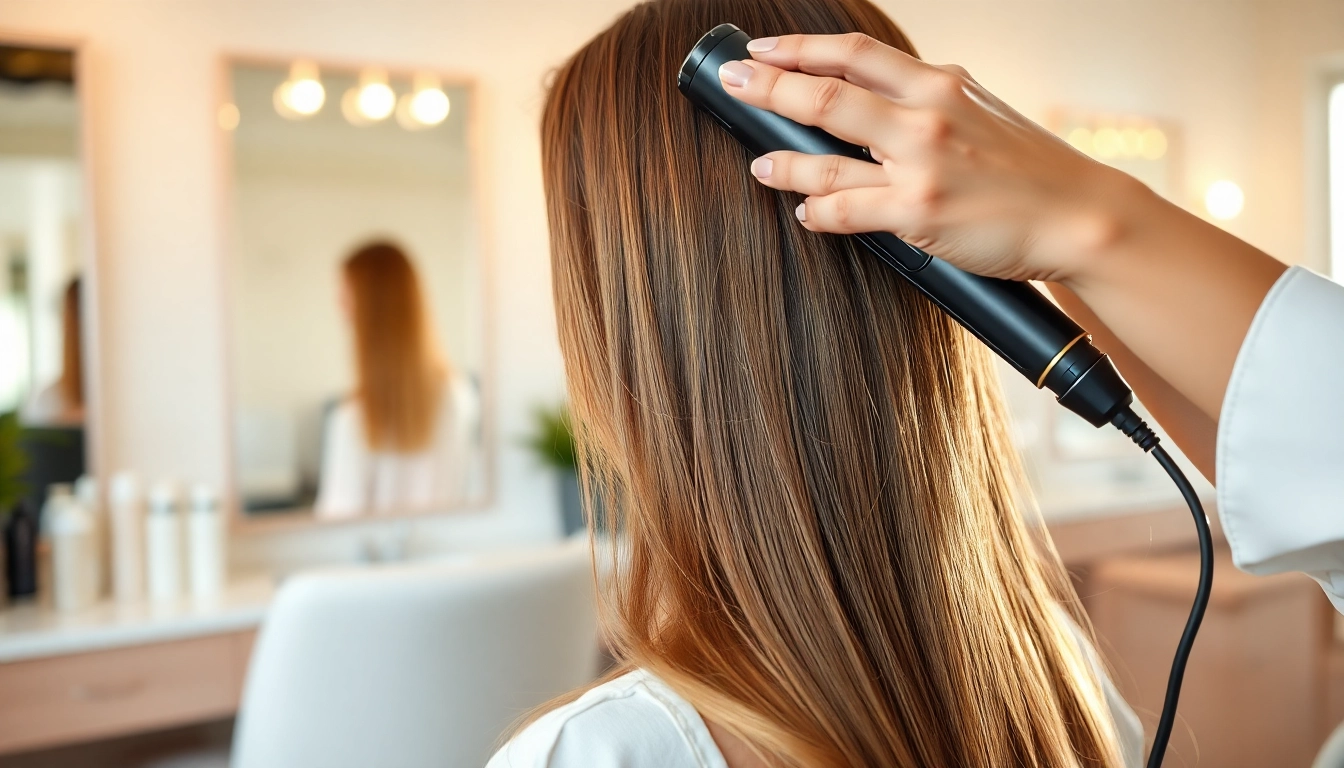
Using a flat iron is a common way to straighten hair. Here’s how to do it effectively:
- Ensure your hair is completely dry and free of excess products.
- Set your flat iron to the appropriate temperature based on your hair type.
- Taking one section at a time, place the flat iron near the roots and gently glide it down to the ends. Avoid going too slowly to prevent overheating a single area.
- Repeat until all sections are straightened, ensuring a uniform result.
Techniques to Avoid Damage During Straightening
To prevent heat damage, consider these techniques:
- Use the Right Temperature: Fine hair requires lower temperatures compared to coarse hair. 300°F is appropriate for fine hair, while 400°F suits thicker textures.
- Avoid Repeated Passes: Try to straighten each section of hair in one or two passes. Excessive passes can lead to severe damage.
- Maintain Clean Tools: Keep your flat iron clean from hair product build-up to avoid additional damage during styling.
Finishing Touches for a Polished Look
Once you have straightened your hair, finish with a light mist of hairspray or a shine serum to lock in your style. Ensure the products you choose are lightweight to avoid the hair feeling sticky. Final touches like curling the ends slightly or tucking them behind your ears can enhance the polished look.
Tips for Maintaining Straightened Hair
Best Practices for Keeping Hair Sleek
To maintain sleek, straight hair after styling:
- Use a satin or silk pillowcase to prevent friction while sleeping.
- Avoid tying your hair up tightly to reduce tension and prevent breakage.
- Limit washing your hair to maintain natural oils and prolong straightness.
Recommended Products for Longevity
Investing in the right products can extend the life of your straightened hair:
- Sulfate-Free Shampoo: To maintain moisture and reduce frizz without stripping essential oils.
- Leave-In Conditioner: For added hydration and protection throughout the day.
- Anti-Frizz Serums: Apply a small amount to combat humidity and keep your hair looking fresh.
Common Mistakes to Avoid
Avoid these common pitfalls to maintain your hair's health:
- Skipping Heat Protectant: Never straightening without a protectant is a recipe for damage.
- Overuse of Heat: Frequently straightening can lead to irreversible damage; consider giving hair breaks.
- Ignoring Regular Trims: Regular trims help keep split ends at bay, ensuring a healthier look.
Frequently Asked Questions About Hair Straightening
How often can I straighten my hair?
It's advisable to straighten your hair once a week to minimize damage. Allow your hair to recover between sessions.
What type of hair is best for straightening?
Thicker and coarser hair typically holds straightening well, while fine hair may require lower heat settings to avoid damage.
Can I straighten my hair without heat?
Yes, you can use methods like natural product applications, braiding overnight, or using special straightening creams that activate with moisture.
How to fix hair damage from straightening?
Moisturizing treatments, regular trims, and the use of a good leave-in conditioner can help repair and strengthen damaged hair.
What products should I use after straightening my hair?
Use a lightweight serum or oil to add shine, along with a light hold hairspray to keep your style in place without weighing it down.