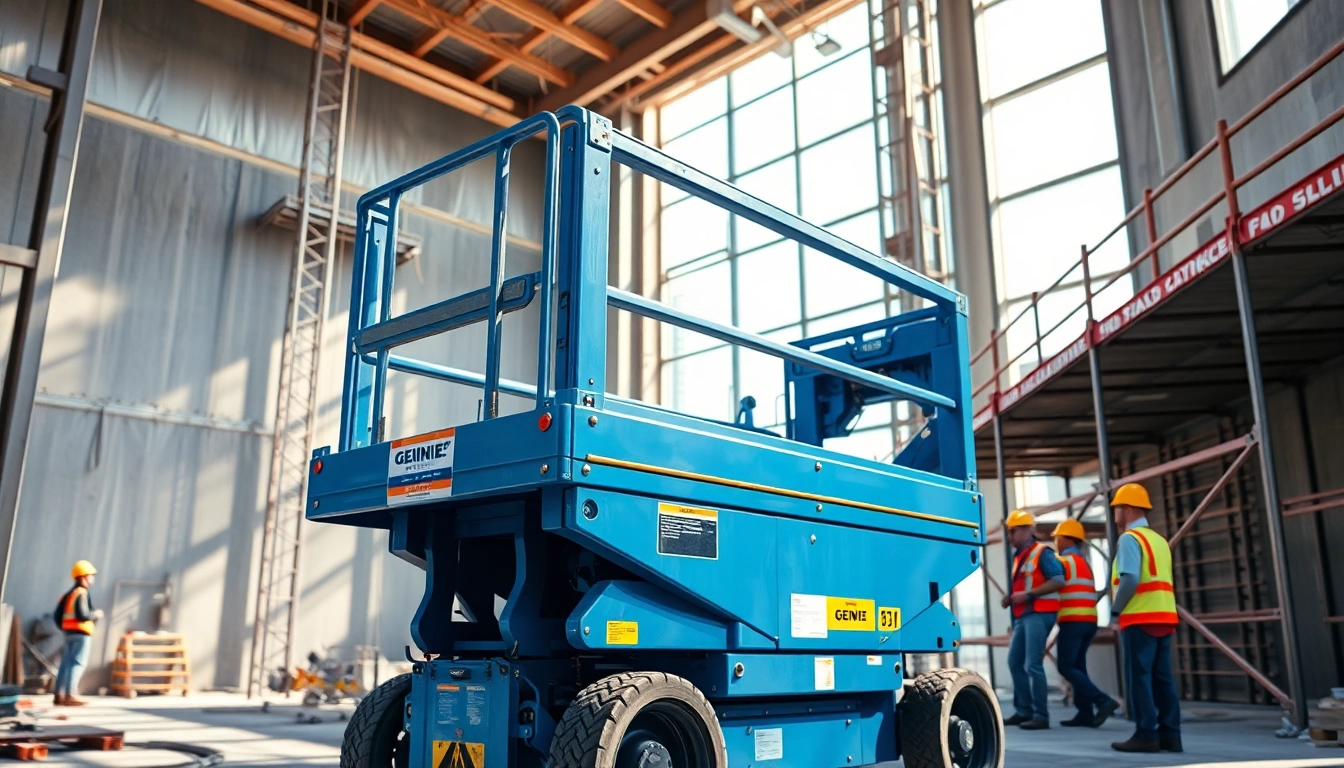
What is a Genie Lift?
A genie lift is an essential piece of equipment designed to elevate workers to high places safely and efficiently. Manufactured by a leading company in the aerial work platform industry, genie lifts are used extensively in various sectors ranging from construction and maintenance to warehousing and installation. Their design focuses on stability, safety, and ease of operation, making them ideal for tasks such as building maintenance, inventory management, and construction projects.
Understanding Genie Lift Types
Genie lifts can be categorized into several types, each serving different needs and functionalities. The main types include:
- Articulating Boom Lifts: These are great for reaching over obstacles and provide flexibility to work on various surfaces.
- Telescopic Boom Lifts: Known for their long reach, these models extend straight upwards, ideal for outdoor projects requiring high elevation.
- Scissor Lifts: Offering a stable platform that moves vertically, scissor lifts are perfect for tasks at height while providing significant working space.
- Telehandlers: These versatile machines can lift, reach, and help transport materials at various heights.
Key Features of Genie Lifts
The structural integrity and design principles of genie lifts ensure they meet high standards in safety and functionality. Key features often include:
- Rough Terrain Capability: Many models are designed for challenging terrains, enabling operation in rugged conditions.
- Safety Mechanisms: Features like automatic shutoff systems, overload sensors, and slip-resistant surfaces enhance user safety.
- Electric and Hybrid Options: Genie lifts are available in electric configurations for indoor use and hybrid models for flexibility.
- Compact Design: Many models can fit through standard doorways and tight spaces, making them versatile for various applications.
Common Applications of Genie Lift
Genie lifts find extensive use in multiple application areas, including:
- Construction Sites: Used for various tasks such as installing roofs, painting, and setting up scaffolding.
- Warehousing: Essential for stacking products on high shelves and maintaining inventory efficiently.
- Event Setup: Ideal for setting up stages and lighting at concerts, exhibitions, and conferences.
- Building Maintenance: Facilitates window cleaning, HVAC repairs, and other routine maintenance tasks.
Benefits of Using Genie Lift
Investing in genie lifts can yield several benefits. Understanding these advantages can help users maximize their operational efficiency and safety.
Enhanced Safety Features
Safety is a paramount consideration with genie lifts. They come equipped with innovative safety features such as:
- Stabilization Systems: Automated checks and balances that ensure the lift is stable during operation.
- Operator Controls: Ergonomic and intuitive controls that make operating the lift safer and more efficient.
- Training and Certification: Operators can undergo training specifically tailored for genie lift operation, ensuring they are well-prepared for safe usage.
Increased Reach and Versatility
The versatility of genie lifts makes them suitable for a wide array of purposes. Their design allows access to heights and areas that may typically be dangerous or difficult to reach, such as:
- High-reaching windows
- Overhead electrical installations
- Tall shelving in warehouses
Cost-Effectiveness Over Time
Investing in genie lifts often translates to increased productivity which ultimately leads to cost savings. Benefits include:
- Reduction in Labor Costs: With a genie lift, a single operator can accomplish tasks that would typically require multiple workers.
- Durability: Genie lifts are designed to withstand rigorous use, reducing the need for frequent replacements or repairs.
- Efficiency: The ability to quickly and safely access high work areas minimizes downtime and enhances overall productivity.
How to Operate a Genie Lift Safely
Understanding proper operation procedures is essential to maintaining safety while using genie lifts. Following a systematic approach can mitigate the risk of accidents.
Pre-Operation Checks
Before operating a genie lift, conduct thorough pre-operation checks, including:
- Inspecting the equipment for visible damages or oil leaks
- Ensuring all control systems function correctly
- Verifying that safety features are operational
- Confirming that the lift is on stable ground
Operating Procedures
When ready to operate the genie lift, adhere to the following procedures:
- Begin by familiarizing yourself with the lift controls and functionalities.
- Always wear appropriate personal protective equipment (PPE), including harnesses if required.
- Follow the manufacturer’s guidelines regarding operational speeds and weight capacity.
- Communicate effectively with ground crew members when working at height.
Post-Operation Maintenance
Once use is complete, ensure proper maintenance by:
- Cleaning the lift thoroughly to remove dirt and debris.
- Conducting a final inspection for any damages occurred during operation.
- Securing the lift properly and storing it in a designated area when not in use.
- Documenting any maintenance or issues noted for future reference.
Choosing the Right Genie Lift for Your Project
Selecting the most appropriate genie lift for your project requires assessing various factors. Understanding your requirements will guide you towards the best option.
Assessing Project Requirements
Before deciding on a specific model, consider the following project requirements:
- The height needed to complete tasks
- The nature of the terrain
- The type of work being performed
- The maximum weight to be lifted
Comparing Different Models
Explore various models available based on your project specification. Key factors to compare include:
- Lift capacity
- Working height
- Power source (electric vs. diesel)
- Size and maneuverability
Rental Options vs. Purchase
Deciding whether to rent or purchase a genie lift can significantly impact financial planning. Considerations include:
- Your budget and financial situation: Renting may be more appropriate for short-term projects.
- The frequency of use: Frequent use may justify a purchase.
- Long-term maintenance costs associated with ownership.
Frequently Asked Questions on Genie Lift
What safety certifications should a Genie Lift have?
Genie Lifts should comply with ANSI and OSHA safety standards. Ensure regular inspections and certifications are up to date.
Can I use a Genie Lift on uneven terrain?
Yes, certain models are designed for rough terrain, allowing safe operation on uneven surfaces while maintaining stability.
How often should Genie Lifts be serviced?
Regular servicing is recommended every 3 to 6 months, depending on usage. Always follow the manufacturer's guidelines for maintenance.
What is the maximum weight capacity of a Genie Lift?
Weight capacity varies by model, ranging from 500 to over 1,200 pounds. Always check specific lift ratings prior to use.
Are training courses available for Genie Lift operation?
Yes, comprehensive training courses are widely available and recommended for operators to ensure safe and efficient lift operations.