
Introduction to Controlled Research Environments
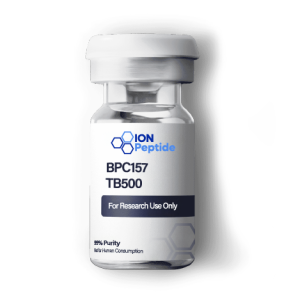
Scientific advancement depends heavily on secure and well-regulated access to specialized compounds, particularly when dealing with sensitive biochemical materials. In modern laboratory settings, ensuring secure access is not only a matter of compliance but also a fundamental requirement for maintaining data integrity and research reliability. Among the compounds gaining attention in experimental and investigative environments is BPC157+TB500, a combination widely explored for its potential in controlled studies. The need to manage BPC157+TB500 within a secure lab framework reflects the broader responsibility of researchers to uphold ethical standards and operational precision.
Laboratories that handle BPC157+TB500 must implement structured protocols that define who can access the materials, under what conditions, and for what purposes. This level of control ensures that the compound is used strictly within approved experimental frameworks and that all research outcomes remain credible and reproducible.
Importance of Security in Research Material Handling
Security in laboratories is not limited to physical locks and restricted entry points. It extends to digital systems, inventory tracking, and personnel verification. When working with compounds like BPC157+TB500, researchers must adopt multi-layered security strategies to prevent unauthorized usage or contamination. This includes biometric access systems, encrypted databases, and detailed logging of every interaction involving the material.
The presence of BPC157+TB500 in a laboratory setting demands strict adherence to institutional guidelines. These guidelines are designed to ensure that only qualified personnel with proper training can handle the compound. Such measures reduce risks associated with mishandling and contribute to a safer research environment overall.
Regulatory Frameworks Governing Access
Access to compounds such as BPC157+TB500 is often governed by institutional policies and international research standards. Laboratories must comply with regulatory frameworks that dictate how materials are stored, documented, and utilized. These regulations are not merely bureaucratic hurdles; they are essential safeguards that ensure ethical research practices.
Compliance involves maintaining accurate records of procurement, usage, and disposal of BPC157+TB500. Audits and inspections are commonly conducted to verify adherence to these standards. Laboratories that fail to meet these requirements risk losing access to critical research materials and may face legal consequences.
Infrastructure for Secure Storage
A critical component of secure lab access is the infrastructure used to store sensitive compounds. BPC157+TB500 must be kept in controlled environments that protect it from environmental fluctuations and unauthorized access. Temperature-controlled storage units, secure cabinets, and monitored storage rooms are standard features in advanced laboratories.
These storage systems are often integrated with digital monitoring tools that provide real-time updates on environmental conditions. Any deviation from the required parameters triggers alerts, ensuring that BPC157+TB500 remains stable and viable for research purposes. This level of control is essential for maintaining the integrity of experimental outcomes.
Digital Access and Data Protection
In addition to physical security, digital access plays a crucial role in managing research materials. Laboratories handling BPC157+TB500 must implement robust cybersecurity measures to protect sensitive data. This includes access credentials, research logs, and experimental results associated with the compound.
Secure login systems, multi-factor authentication, and encrypted communication channels are commonly used to safeguard information. By restricting digital access to authorized personnel only, laboratories ensure that all data related to BPC157+TB500 remains confidential and protected from unauthorized manipulation.
Training and Personnel Authorization
No security system is effective without properly trained personnel. Researchers working with BPC157+TB500 must undergo specialized training programs that cover handling procedures, safety protocols, and ethical considerations. Authorization is typically granted only after individuals demonstrate a clear understanding of these requirements.
Training programs often include both theoretical and practical components, ensuring that researchers are well-prepared to work with BPC157+TB500. Regular refresher courses and evaluations help maintain high standards of competence within the laboratory environment.
Inventory Management and Tracking Systems
Effective inventory management is another cornerstone of secure lab access. Every unit of BPC157+TB500 must be accounted for, from the moment it enters the laboratory to its final use or disposal. Advanced tracking systems use barcodes, RFID tags, or digital logs to monitor the movement of materials.
These systems provide detailed records that can be reviewed at any time, ensuring transparency and accountability. In the event of discrepancies, laboratories can quickly identify and address the issue, minimizing potential risks associated with BPC157+TB500.
Ethical Considerations in Research Access
Ethics play a significant role in determining how research materials are accessed and used. The study of BPC157+TB500 requires a commitment to responsible scientific inquiry, where the focus remains on advancing knowledge while respecting established guidelines.
Researchers must ensure that their work with BPC157+TB500 aligns with ethical standards set by their institutions and the broader scientific community. This includes obtaining necessary approvals, maintaining transparency in reporting, and avoiding any misuse of the compound.
Collaboration and Controlled Sharing
In many cases, research involving BPC157+TB500 requires collaboration between institutions. Secure sharing mechanisms must be in place to facilitate such partnerships without compromising safety or compliance. This often involves formal agreements that outline the terms of access and usage.
Transporting BPC157+TB500 between facilities requires specialized packaging and documentation to ensure that the material remains secure طوال transit. Collaborative efforts benefit from standardized protocols that maintain consistency across different research environments.
Risk Management and Incident Response
Despite the best precautions, laboratories must be prepared to handle unexpected incidents. Risk management strategies are essential for addressing potential breaches in security or accidental exposure involving BPC157+TB500. These strategies include emergency response plans, incident reporting systems, and corrective actions.
By anticipating possible risks and establishing clear procedures, laboratories can respond effectively to any situation involving BPC157+TB500. This proactive approach minimizes disruptions and ensures the continuity of research activities.
Future Trends in Secure Lab Access
As technology continues to evolve, so do the methods used to secure research materials. Innovations such as artificial intelligence, blockchain-based tracking, and automated monitoring systems are transforming how laboratories manage compounds like BPC157+TB500.
These advancements offer enhanced accuracy, transparency, and efficiency in controlling access. Laboratories that adopt these technologies are better equipped to handle the complexities associated with BPC157+TB500, ensuring that their research remains at the forefront of scientific progress.
Conclusion
Secure lab access to specialized research materials is a critical component of modern scientific practice. The handling of BPC157+TB500 exemplifies the importance of combining physical security, digital protection, regulatory compliance, and ethical responsibility. By implementing comprehensive access control systems, laboratories can ensure that their research activities remain safe, reliable, and aligned with global standards.
The continued focus on secure handling of BPC157+TB500 not only protects the integrity of individual studies but also contributes to the credibility of the scientific community as a whole. As research methodologies advance, maintaining robust security measures will remain a fundamental priority for laboratories worldwide.