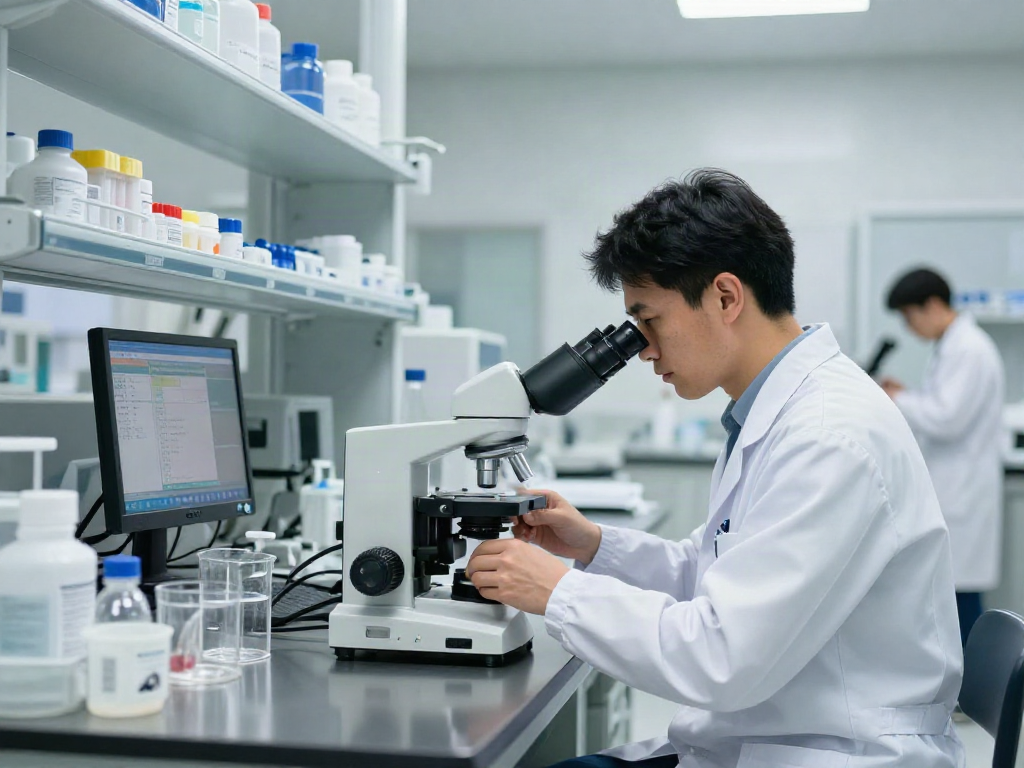

Understanding Research Peptides: An Overview
In the rapidly evolving field of biotechnology and pharmaceuticals, research peptides have emerged as a cornerstone for studies across various sectors. These small chains of amino acids offer unique capabilities in biochemical research and clinical applications, providing immense value in understanding biological functions at a molecular level. When exploring options, https://www.koipeptidescanada.com provides comprehensive insights into research-grade peptides synthesized and tested within Canada.
What Are Research Peptides?
Research peptides are short sequences of amino acids that are synthesized to mimic the effects of naturally occurring peptides in the body. They play crucial roles in various physiological processes, ranging from regulation of hormones to modulation of immune responses. These peptides are primarily used in laboratory settings for development, testing, and research purposes, particularly in the fields of biochemistry, pharmacology, and molecular biology.
The Importance of Quality in Peptide Research
The quality of research peptides is paramount due to their direct impact on the validity of scientific experiments and studies. High-quality peptides ensure reproducible and accurate results. Therefore, sourcing peptides from reputable suppliers—like Koi Peptides Canada—is vital. This company emphasizes strict quality standards, ensuring that all peptides are synthesized under controlled conditions, properly lyophilized, and tested for purity and identity.
Key Benefits of Using Koi Peptides Canada Products
- Guaranteed Purity: All products are verified to be ≥99% pure, backed by Certificates of Analysis.
- Batch Testing: Each lot undergoes rigorous testing through LC-MS and HPLC methods to ensure consistency and reliability.
- Local Synthesis: All peptides are synthesized and lyophilized within Canada, ensuring compliance with local regulations.
- Traceability: Detailed documentation allows researchers to track the history of each peptide batch.
The Process of Peptide Synthesis
From Synthesis to Lyophilization: Step-by-Step
The synthesis of peptides involves a series of precise chemical processes. Initially, the amino acids are activated and coupled together in a specific sequence to form a peptide chain. This is typically done through solid-phase peptide synthesis (SPPS), which allows for the efficient assembly of peptides. Once the desired peptide is generated, it undergoes lyophilization, a freeze-drying process that removes moisture while preserving the peptide’s integrity.
Batch Testing and Verification Techniques
To affirm the quality of synthesized peptides, Koi Peptides Canada implements rigorous testing protocols. Each batch is subjected to identity confirmation through liquid chromatography-mass spectrometry (LC-MS), which ensures that the peptide meets the specified sequence and is free from contaminants. Furthermore, high-performance liquid chromatography (HPLC) is used to assess the purity of every batch, guaranteeing that it adheres to the high standards expected in research applications.
Overview of Quality Control Standards
Quality control standards at Koi Peptides Canada not only comply with national regulations but also adhere to international guidelines. The use of ISO/IEC 17025 accredited laboratories for testing provides an additional layer of confidence in the quality and safety of the peptides supplied. This rigorous approach highlights the company’s commitment to providing researchers with reliable materials crucial for their experimental designs.
Common Research Applications for Peptides
Peptides in Biochemical Research
Peptides offer diverse applications in biochemical research. They are essential in studying receptor-ligand interactions, signaling pathways, and enzyme activities. Researchers can manipulate peptide sequences to better understand their functions in cellular processes, leading to potential breakthroughs in drug development and therapeutic interventions. For instance, specific peptides can be used to inhibit or stimulate biological pathways, providing insights into diseases such as cancer and diabetes.
Clinical Applications: Enhancements and Treatments
In the clinical arena, peptides serve as promising candidates for therapeutic agents. For example, BPC-157, a peptide noted for its regenerative properties, is under investigation for applications in wound healing and tissue repair. Similarly, GHK-Cu, known for its ability to enhance collagen synthesis, is often explored in cosmetic applications to promote skin rejuvenation. The versatility of peptides allows them to pave the way for innovative treatments across various medical fields.
Case Studies: Successful Usage of Koi Peptides
In recent studies, Koi Peptides' products have facilitated significant advancements in research. One notable case involves the use of CJC-1295 and Ipamorelin blends, which have been explored for their synergistic effects on growth hormone release. Research utilizing these peptides demonstrated enhanced muscle recovery times and improved metabolic rates, showcasing their potential in sports science and rehabilitation settings.
Buying Peptides in Canada: Guidelines and Best Practices
Navigating Regulatory Aspects for Researchers
When purchasing research peptides in Canada, researchers must navigate various regulatory landscapes. The Canadian government has strict guidelines for the importation, sale, and distribution of research chemicals. It's essential to ensure that the supplier complies with Health Canada regulations, which helps mitigate risks associated with quality and safety of the products.
Understanding Certificates of Analysis (CoA)
A Certificate of Analysis is a crucial document that provides detailed information about the batch of peptides purchased, including purity levels, identity confirmation results, and endotoxin testing outcomes. Before making a purchase, researchers should verify that the supplier provides a CoA for each batch, as this document serves as proof of quality and traceability.
How to Ensure Safe and Secure Purchases
To guarantee safe and secure purchases, researchers should consider the following best practices:
- Purchase from reputable suppliers with transparent testing protocols.
- Always request a current CoA for the specific batch being ordered.
- Prefer suppliers who practice same-day dispatch and offer tracked shipping to ensure timely delivery.
- Utilize secure payment methods to protect financial transactions.
The Future of Peptide Research and Development
Emerging Trends in 2026 and Beyond
The future of peptide research is poised for growth, with emerging trends suggesting an increase in personalized medicine approaches. Peptides tailored to individual genetic profiles could revolutionize treatments for various diseases. Additionally, advancements in peptide synthesis techniques are expected, leading to more complex peptide designs that can interact more effectively with biological systems.
Technological Advances in Peptide Synthesis
Ongoing innovations in peptide synthesis technology, such as automation and AI-driven design, promise to enhance efficiency and precision in peptide production. These technologies facilitate rapid synthesis of large libraries of peptides, allowing researchers to explore therapeutic potentials more comprehensively and efficiently than ever before.
Predictions for the Canadian Peptide Market
As the global demand for research peptides continues to rise, the Canadian peptide market is expected to expand significantly. With an increasing emphasis on research and development in biotechnology, Canadian suppliers like Koi Peptides Canada are well-positioned to meet the needs of researchers in academia and industry, providing high-quality products that adhere to stringent regulatory standards.
What is the significance of the Certificate of Analysis?
The Certificate of Analysis (CoA) is critical for validating the quality and authenticity of research peptides. It documents essential information about each batch, ensuring that researchers have confidence in the materials they are using in their experiments.
How does Koi Peptides Canada ensure product quality?
Koi Peptides Canada ensures quality through rigorous testing of every batch, employing LC-MS and HPLC methods to verify purity and identity. Additionally, they maintain transparency by providing detailed CoAs for each product.
What are the common uses for BPC-157?
BPC-157 is widely researched for its potential applications in wound healing, tissue repair, and reduction of inflammation. Its regenerative properties make it a popular choice among researchers exploring treatments for musculoskeletal injuries.
Are there any risks in using research peptides?
While research peptides are invaluable for scientific studies, there are associated risks, including potential side effects and the need for thorough understanding regarding dosing and application. Researchers must ensure they are working with reputable suppliers and conforming to ethical standards in their research.
How can I verify the authenticity of my peptide orders?
To verify the authenticity of peptide orders, researchers should always request and review the CoA associated with their purchase. This documentation provides essential information about the batch’s quality and compliance with safety standards.