
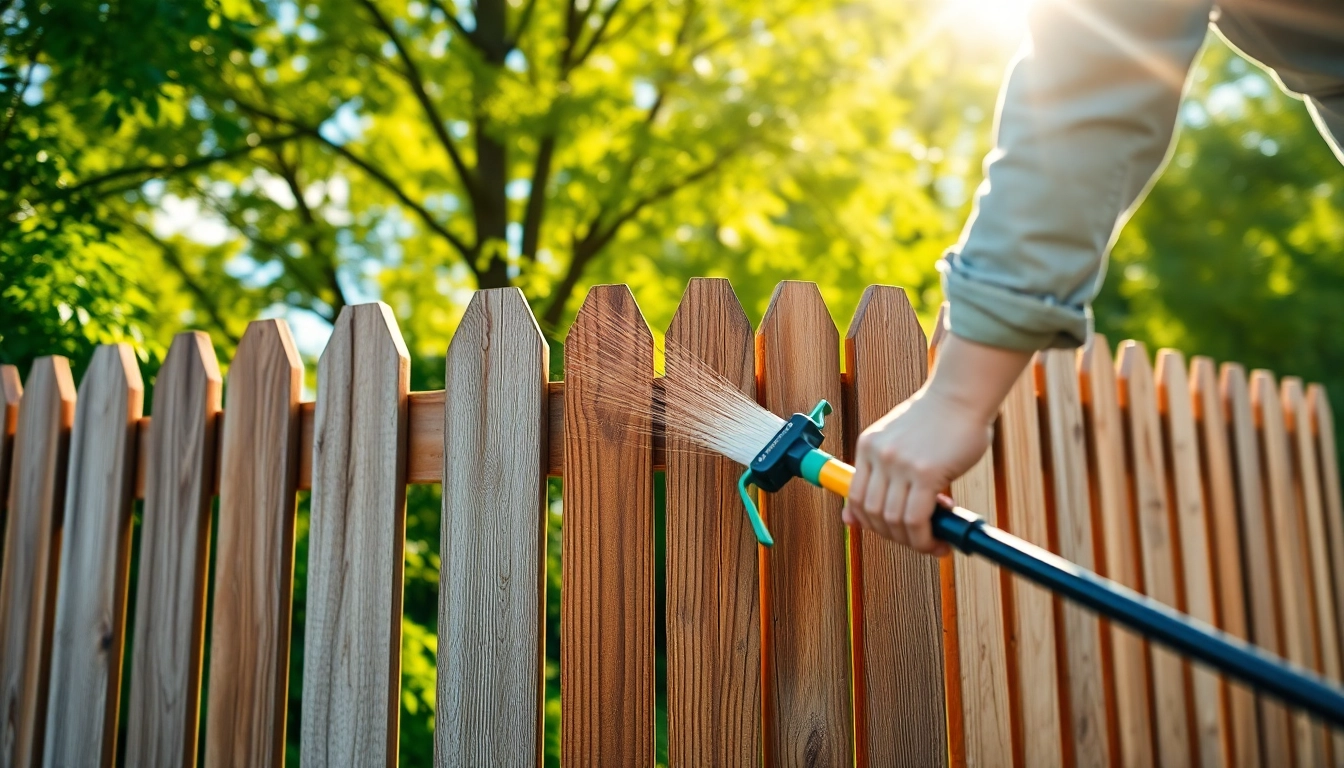
Understanding Fence Cleaning Basics
What is Fence Cleaning?
Fence cleaning is a maintenance process aimed at removing dirt, mold, mildew, and stains from various types of fencing materials. This cleaning ensures that fences not only look good but also maintain their structural integrity. Regular cleaning can significantly extend a fence's lifespan, preserving its aesthetics and functionality.
Why Fence Cleaning is Necessary?
Over time, fences are subjected to a variety of elements including weather, dirt, and biological growth. Mold and mildew can harbor harmful spores, which can eventually lead to material deterioration. A clean fence enhances curb appeal, safeguards your property, and keeps pests at bay. Additionally, fence cleaning is a proactive measure that can prevent costly repairs or replacements in the long run.
Types of Fences and Their Cleaning Needs
Different fence types have unique cleaning requirements. Wood fences, for example, may need gentle biodegradable cleaners to avoid damage, while vinyl and metal fences can usually withstand more rigorous cleaning methods.
- Wood Fences: Typically require soft washing or gentle scrubbing to prevent splintering.
- Vinyl Fences: Can be easily cleaned with soap and water, but may benefit from power washing for tougher stains.
- Metal Fences: Often require rust inhibitors and specialized solutions to avoid corrosion.
Essential Tools for Fence Cleaning
Hand-held Cleaning Tools
When it comes to cleaning fences, hand-held tools are essential for task versatility. Items like scrub brushes, sponges, and buckets play a fundamental role. For wood fences, a soft bristle brush prevents damage while effectively removing grime.
Power Washing vs. Manual Cleaning
Power washing presents a fast method to remove tough stains and biological growth, yet it can be overly harsh on some materials, particularly wood. Manual cleaning offers greater control but is more labor-intensive. Identify the right method based on your material and the extent of dirtiness.
Eco-friendly Cleaning Solutions
With an increasing focus on environmental conservation, many homeowners are looking for eco-friendly cleaning solutions. Options include:
- White Vinegar: An effective natural deodorizer and cleaner.
- Baking Soda: Works effectively against stains when combined with water.
- Oxygen Bleach: Safe for the environment while effectively eliminating mold and mildew.
Step-by-Step Guide to Fence Cleaning
Preparing Your Cleaning Area
Before initiating your cleaning process, it is crucial to prepare the area around your fence. Remove any plants, furniture, or other obstacles that could get in the way. Gather tools and materials required for your cleaning method, and ensure you have adequate safety gear, including gloves and goggles.
Cleaning Wood vs. Vinyl Fences
Cleaning methods vary between fence types:
Cleaning Wood Fences
- Use a soft bristle brush with a mild soap solution.
- Work in sections, starting from the top and moving down.
- Rinse thoroughly with water.
Cleaning Vinyl Fences
- Prepare a soap and water solution.
- Apply the solution with a sponge or soft cloth.
- Rinse thoroughly, preferably with a hose.
Post-Cleaning Care and Maintenance
After cleaning, inspect your fence for any repairs needed. Applying wood preservatives to wood fences or protective coatings to vinyl and metal fences can help prolong their lifespan. Regular checks for damage will aid in early detection and maintenance needs.
DIY vs. Professional Fence Cleaning Services
When to Hire Professionals?
While many homeowners choose to clean their fences themselves, there are instances when hiring professionals is wise. If your fence is significantly stained, requires power washing, or if it is damaged, professionals have the expertise and tools to handle the job effectively.
Cost Comparison: DIY vs. Hiring Help
The cost of fence cleaning varies depending on factors like size, cleaning method, and material. Generally, DIY methods involve lower costs since you only need supplies. However, professional cleaning may range from $30 to $800 depending on the work required—it’s essential to weigh the value of your time against costs.
Finding Reliable Fence Cleaning Services
When seeking professional help, look for reputable services in your area. Check reviews, request quotes, and ask for recommendations to ensure you choose a reliable provider. A professional service often guarantees their work, providing peace of mind.
Frequently Asked Questions About Fence Cleaning
What materials are best for cleaning fences?
The best materials depend on your fence type, but generally, a soft bristle brush, mild soap, and eco-friendly solutions work best without damaging fences.
How often should I clean my fence?
It’s advisable to clean your fence at least once a year, or more frequently if you live in a dirty or humid area where mold can develop quickly.
Can I clean my fence without a power washer?
Yes, many fences can be cleaned effectively using hand-held tools like scrub brushes and solutions without the need for a power washer.
What are homemade solutions for fence cleaning?
Homemade cleaning solutions can include mixtures like vinegar and water or oxygen bleach diluted in water for effective mold removal.
How much does fence cleaning typically cost?
The cost for cleaning fences can vary based on size and materials, averaging between $30 and $800 for professional services.
For a thorough and effective approach to maintaining your fence, understanding the nuances of Fence Cleaning is essential. Staying proactive in maintenance will lead to a visually appealing and durable fence for years to come.