Understanding Gardening Basics
What is Gardening?
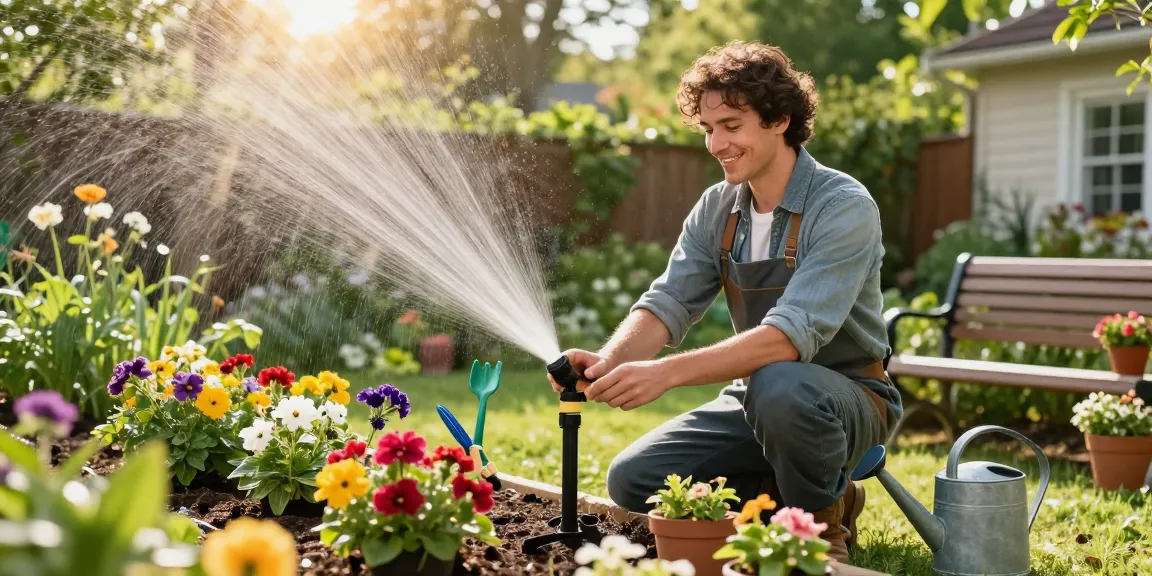
Gardening is the cultivation of plants for their vegetables, fruits, flowers, herbs, or ornamental purposes within a designated space. It is not only a method of growing food and beautifying landscapes but also a fulfilling hobby that fosters a connection to nature. Engaging in Gardening can enhance mental well-being and promote physical activity, providing an enriching experience for individuals of all ages.
Types of Gardening Practices
There are various forms of gardening, each suiting distinct interests and climatic conditions. Here are some popular types:
- Vegetable Gardening: Focused on growing food plants, this practice includes techniques like crop rotation and companion planting.
- Herb Gardening: Cultivating herbs either indoors or outdoors for culinary or medicinal use.
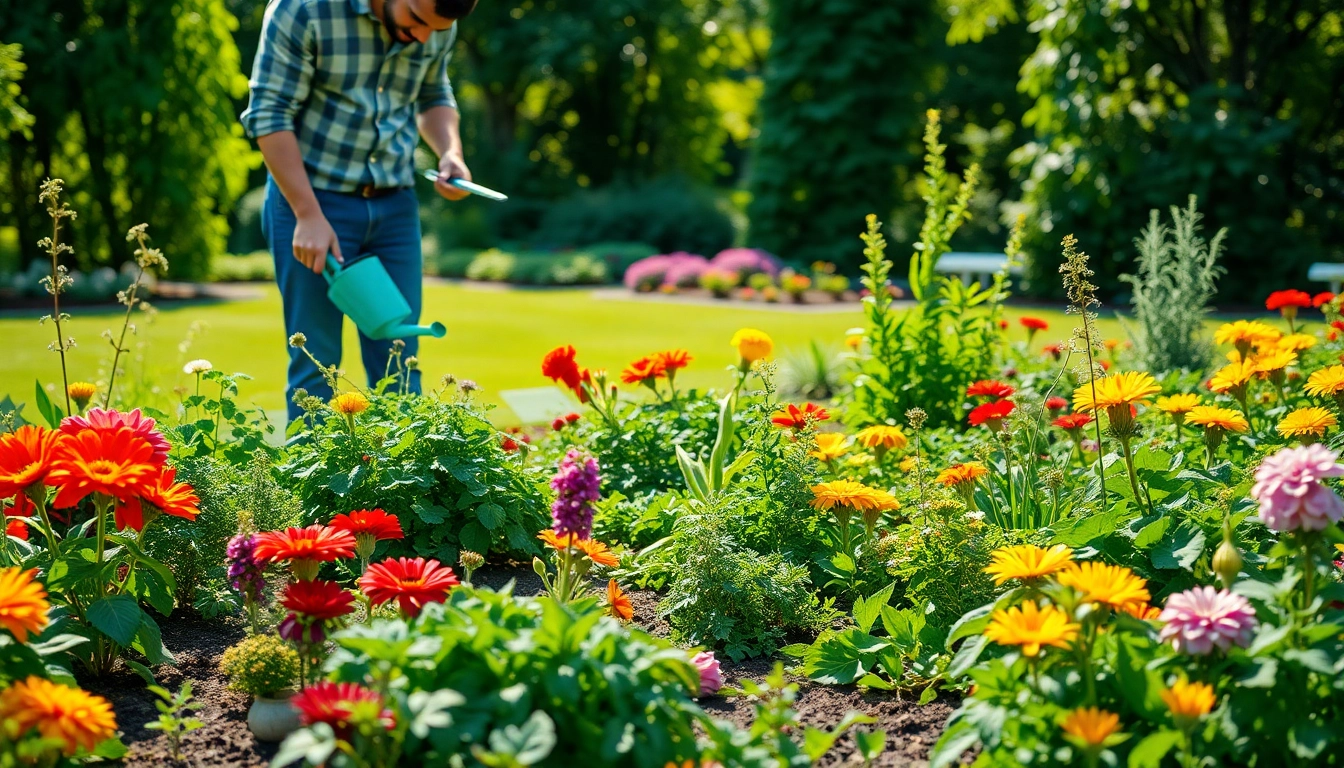
- Flower Gardening: Emphasizes aesthetic appeal and includes annuals, perennials, and specific species to create beautiful blooms throughout the seasons.
- Container Gardening: Ideal for limited spaces, this practice involves growing plants in pots or other containers.
- Organic Gardening: Involves using natural methods and inputs to grow plants without synthetic fertilizers or pesticides.
- Landscape Gardening: A more artistic approach that combines plants, paving, and outdoor structures to create functional outdoor spaces.
Key Tools Needed for Gardening
Successful gardening relies on the right tools to simplify tasks and improve efficiency. Here’s a list of essential gardening tools:
- Hand Trowel: For digging small holes, transplanting, and loosening soil.
- Pruners: Ideal for trimming and shaping plants, ensuring healthy growth.
- Gloves: Protect hands from thorns, dirt, and chemicals.
- Garden Fork: Useful for turning and aerating soil.
- Weeder: Helps remove unwanted plants effectively.
- Rake: For leveling soil and gathering leaves or debris.
- Watering Can or Hose: Essential for delivering water effectively to plants.
Preparing Your Garden Space
Choosing the Right Location
The site you select for your garden is pivotal to its success. Look for a place that gets ample sunlight—most vegetables and flowers require a minimum of six hours of direct sunlight daily. Additionally, choose an area that has good drainage to avoid waterlogging. Proximity to a water source is also beneficial to maintain adequate watering routines.
Soil Preparation Techniques
Soil is the foundation of any garden. Proper preparation involves testing soil for pH levels and nutrients, which can be accomplished using home testing kits. Based on the results:
- Amend the Soil: Enhance nutrient levels by adding compost, manure, or other organic matter.
- Aeration: Mix the soil to improve air circulation and root penetration.
- Mulching: Apply a layer of organic mulch to reduce weeds and retain moisture.
Creating Effective Garden Layouts
Garden layout involves designing the placement of plants to maximize space, sunlight, and aesthetics. Consider the following designs:
- Row Gardening: Traditional method where plants are grown in straight lines.
- Square Foot Gardening: Divides the garden into smaller squares for efficient planting.
- Raised Bed Gardening: Using elevated beds improves drainage and makes weeding easier.
- Vertical Gardening: Suitable for small spaces, growing plants upward using trellises or towers.
Selecting the Right Plants
Understanding Plant Hardiness Zones
Plant hardiness zones indicate the climate suitability for various plant species based on temperature extremities. Understanding your zone helps in selecting plants that are likely to thrive in your environment. The USDA Plant Hardiness Zone Map is a reliable resource for determining your zone based on geographical location.
Annual vs. Perennial Plants
Choosing between annuals and perennials is a fundamental decision in gardening:
- Annual Plants: Complete their life cycle in one growing season. Examples include petunias and marigolds. They typically require replanting each year.
- Perennial Plants: Live for several years, providing blooms each season. Examples include peonies and hostas, which return year after year.
Vegetable and Flower Selection Tips
When selecting vegetables and flowers, consider your climate, soil type, and personal preferences. Here are tips for selection:
- Choose varieties suited to your hardiness zone.
- Select a mix of early and late bloomers to ensure continuous color in your garden.
- Consider companion planting to improve growth and deter pests—such as planting marigolds with vegetables.
Caring for Your Garden
Watering Strategies for Healthy Growth
Appropriate watering is essential for maintaining healthy plants. Employ the following strategies:
- Deep Watering: Water less frequently but more deeply to encourage strong root development.
- Timing: Water early in the morning or late in the evening to minimize evaporation.
- Drip Irrigation: Install drip systems for efficient watering directly at plant roots.
Fertilizing and Soil Amendments
Regular fertilization promotes healthy growth. Consider the following:
- Soil Testing: Test soil to understand nutrient requirements before applying fertilizers.
- Organic Fertilizers: Use compost, manure, or slow-release granules to enhance nutrient availability.
- Foliar Feeding: Apply liquid fertilizers directly to leaves for quick nutrient absorption.
Pest and Disease Management Practices
Preventing and managing pests and diseases is crucial for garden health. Strategies include:
- Regular Monitoring: Check plants regularly for signs of pest damage or disease symptoms.
- Integrated Pest Management: Combine biological, cultural, and chemical practices to control pests.
- Plant Diversity: Cultivating a variety of plants can naturally deter pests.
Advanced Gardening Techniques
Organic Gardening Methods
Organic gardening focuses on sustainable practices. Some advanced techniques include:
- Composting: Recycling kitchen scraps and yard waste into nutrient-rich compost enhances soil health.
- Organic Pesticides: Utilize natural pest deterrents like neem oil or insecticidal soap.
- Crop Rotation: Plant different crops in succession to prevent pest build-up and soil nutrient depletion.
Companion Planting Benefits
Companion planting involves growing plants together for mutual benefits. Techniques include:
- Mutual Protection: Certain plants deter pests that are harmful to neighboring plants. For example, basil repels flies and mosquitoes.
- Enhanced Growth: Some combinations can improve nutrient uptake. Beans can enhance soil nitrogen, benefiting corn.
Seasonal Gardening Tips for Year-Round Success
Maintaining a thriving garden year-round requires planning. Here are some seasonal tips:
- Spring: Start seedlings indoors and prepare garden beds.
- Summer: Focus on watering and pest management as plants mature.
- Fall: Harvest crops and prepare for the next planting season.
- Winter: Plan for the next year's garden and protect any perennial plants from harsh conditions.
Frequently Asked Questions
What are the best plants for beginners?
Beginner-friendly plants include easy-to-grow herbs (like basil), resilient vegetables (like radishes), and hardy flowers (like marigolds) that require less maintenance.
How often should I water my garden?
Water your garden deeply about once a week, adjusting based on rainfall and plant type. Aim for early morning watering to reduce evaporation.
What is the best soil for planting?
A well-draining, nutrient-rich soil with a pH of 6.0 to 7.0 is ideal for most plants. Incorporate organic matter to improve soil structure.
How can I control pests naturally?
Use natural pest deterrents like neem oil, plant companion plants that repel bugs, and encourage beneficial insects like ladybugs.
When is the best time to plant vegetables?
Generally, plant cool-season crops in early spring and warm-season crops after the last frost. Local frost dates can provide guidance for optimal planting times.