Understanding the Appeal of a Photo Wall
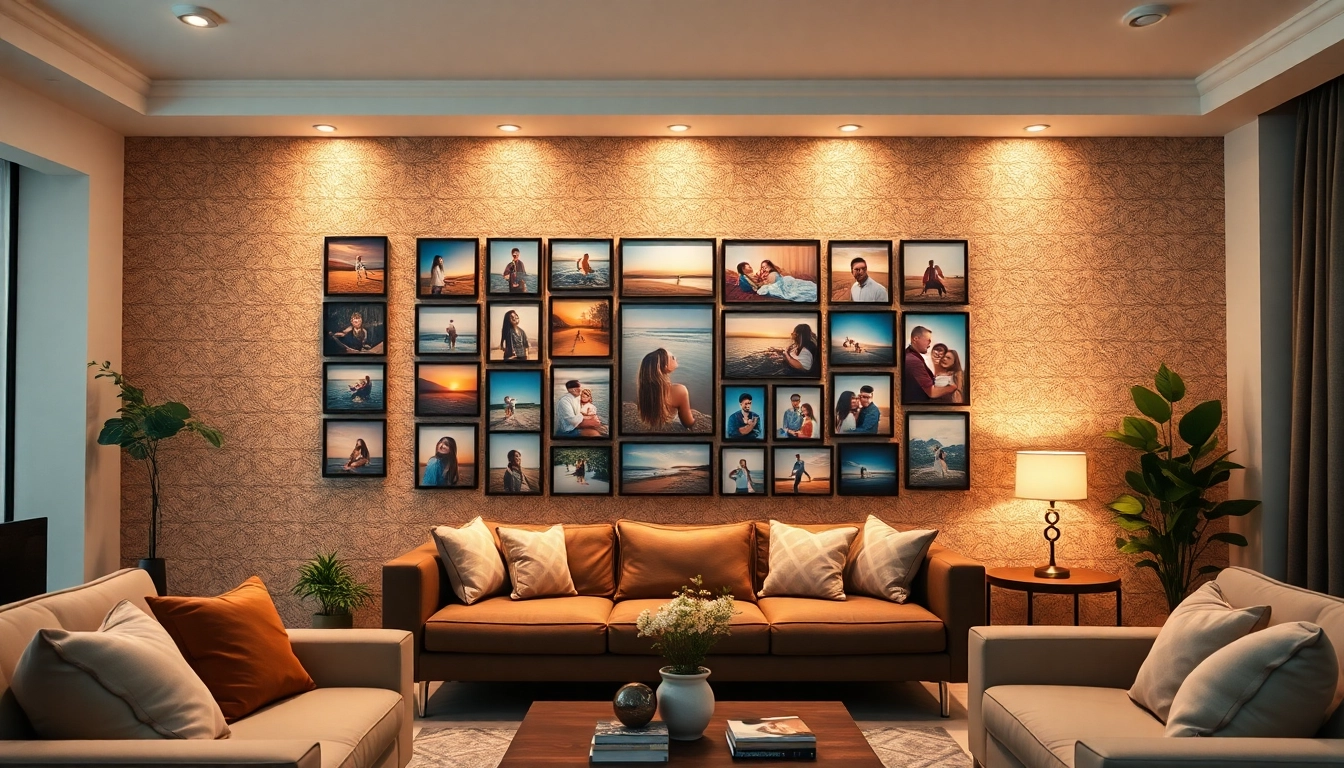
Creating a photo wall has become a popular way to enhance personal spaces. This artistic endeavor not only allows for self-expression but transforms bare walls into stunning visual attractions. In various settings, such as homes, offices, and public venues, a photo wall serves as a source of inspiration while telling a unique story about the individuals or moments it captures. The accessibility of photo printing and framing services, coupled with the increasing popularity of home decor, has made photo walls one of the simplest yet most impactful ways to personalize a space.
Why Choose a Photo Wall?
A photo wall offers a myriad of benefits, significantly enhancing your environment. Firstly, it acts as a conversation starter, instantly drawing people in with its visual appeal. Visitors to your home or workspace will often find themselves captivated by the stories unfolding through the carefully selected photographs that adorn your walls.
Moreover, a photo wall promotes emotional well-being. It allows you to surround yourself with cherished memories, motivating you every day. Whether it's snapshots from vacations, family gatherings, or significant milestones, these images fuel positivity, nostalgia, and joy.
Key Benefits of Personalization
The idea of personalization extends beyond choosing colors or styles; it resonates with who we are. Incorporating elements that reflect your personality into your photo wall can create a beautiful tapestry that narrates your journey. This level of personalization also fosters creativity and can boost your mood every time you engage with your space.
Additionally, personalized photo walls have also been shown to contribute to a greater sense of belonging and connection, particularly in communal living environments. Everyone involved can contribute their favorite photos, making it a shared representation of joy and companionship.
Inspiration from Trends
Staying current with design trends can offer fresh ideas for your photo wall. Recent trends have seen a rise in minimalist layouts, use of varied frame styles, and thematic arrangements. Trending styles even include gallery walls that blend photographs with artwork, adding a unique twist. Moreover, utilizing unexpected shapes and materials, such as hexagonal frames or shadow boxes, can introduce a surprising element to your workspace, breaking the monotony of standard rectangular frames.
Design Considerations for Your Photo Wall
Selecting the Right Location
The first step in creating your ideal photo wall is selecting the perfect location. Consider high-traffic areas like hallways, living rooms, or even staircases. The visibility of your photo wall will affect its impact; therefore, ensure it is placed where it can be appreciated the most. Adequate lighting is crucial, so opt for areas with natural light or consider supplementary lighting options.
Choosing the Perfect Layout
Your layout will set the tone for your photo wall. Traditional grids work well for symmetrical designs, while a more organic layout can evoke a sense of whimsy. Make use of painter’s tape to map out your design on the wall before fixing anything permanently. This allows you to visualize the arrangement and make any necessary adjustments.
Moreover, asymmetrical arrangements can add intrigue, interspersing various sized frames to create depth. Incorporate different media, such as canvases or wall decals to amplify interest.
Color Coordination Techniques
Color coordination is essential for ensuring cohesion in your photo wall. Consider a thematic approach, selecting colors that resonate with the images chosen. Alternatively, pick frames in a single color palette to maintain a clean, uniform look. Either way, achieve harmony through careful selection and arrangement.
The use of white space can also be effective. Leaving gaps between frames can prevent the wall from feeling cluttered and allows each piece to breathe and stand out on its own.
Photo Selection and Preparation
Criteria for Selecting Photos
Choosing the right photographs is crucial in creating a captivating photo wall. Aim for a collection that represents a significant range of experiences while also considering the emotional tone of the images. Portraits may add a personal touch, while landscapes can provide a sense of serenity. The important thing is to select images that resonate personally with you and evoke positive emotions.
Editing and Printing Options
Once your selections are made, editing can enhance their visual appeal. Popular software tools allow users to adjust brightness, contrast, and cropping. Consider making use of professional printing services that offer high-quality options, ensuring your photos maintain their vibrancy and clarity over time.
Additionally, opting for different finishes, such as glossy or matte, can influence the overall aesthetics of your photo wall. Choose a finish that complements your chosen frames and the overall vibe of your space.
Frames and Mounting Choices
Frames play a significant role in the final look of your photo wall. Selecting various frame styles can add depth and interest, allowing for personal expression. Alternatively, sticking to a consistent style can create a clean, sleek appearance. Consider unconventional mounting options, such as clipboards or washi tape, for a more contemporary or laid-back feel.
Assembling Your Photo Wall
Tools and Materials You’ll Need
Before diving into assembly, gather your materials and tools. Essential items include a measuring tape, level, hammer, nails or Command strips, and your framed photos. Anchors may be necessary for heavier frames. This preparation ensures a smooth installation process.
Step-by-Step Assembly Guide
- Begin by outlining the area with painter’s tape.
- Start placing the largest photos first, evaluating their placement.
- Fill in the remaining space with smaller pictures and frames.
- Ensure each frame is secured properly on the wall using appropriate mounting techniques.
Remember that assembling a photo wall is a unique process; take your time to step back periodically and assess the layout from different angles.
Quick Tips for Leveling and Positioning
Leveling is essential to ensure frames do not appear crooked. Utilize a level tool to confirm everything is aligned properly. Use your measuring tape to maintain equal spacing between frames, creating a polished finish. A pro tip is to let the wall ‘speak’ to you as you decorate; trust your instincts while ensuring precision.
Maintaining Your Photo Wall
Regular Updates and Changes
Your photo wall is not a static project; consider refreshing it regularly. Swapping out older images for new ones keeps the display dynamic and reflective of your current life experiences. This proactive approach can also breathe new life into your space and re-engage your emotions associated with varied memories.
Caring for Your Photos
To extend the longevity of your photo wall, ensure your photographs are protected from direct sunlight to prevent fading. Additionally, dust your frames and photos periodically to maintain their aesthetic appeal. A microfiber cloth is your best tool for avoiding scratches during cleaning.
Handling Damage and Wear
Life happens, and sometimes damage is unavoidable. Address any scratches or scuffs immediately to prevent further wear. For minor damage, consider repositioning photos or upgrading their frames to shield the visuals. If a photo sustains a more serious issue, consider having it professionally restored or, if damage is irreparable, replace it with a new image that carries significance.
FAQ
1. How many photos should I include in my photo wall?
The number of photos depends on the wall size and layout preference. A good rule of thumb is to arrange enough to create visual interest without overcrowding.
2. What is the best height to hang pictures on a photo wall?
Generally, the center of the photo wall should be at eye level, around 57–60 inches from the floor. This height varies based on personal preference and ceiling height.
3. Can I make a photo wall in a rental space?
Absolutely! Use removable adhesive mounts or hooks to avoid permanent damage. Measure dimensions carefully and take time to plan your layout.
4. Are there specific themes that work for photo walls?
Themes can be based on color, events, nature, or family milestones. Choose one that resonates with you and your space for a cohesive look!
5. How often should I update my photo wall?
It varies, but consider updating your photo wall every season or when you have new memories to display. Regular changes keep it engaging.