
Understanding the Importance of Screen-Free Play
In today's digital age, the allure of screens is undeniable, captivating the attention of children from an increasingly young age. Yet, amidst this screen-driven fascination, the significance of engaging in screen-free play cannot be overstated. Such play is vital for a child's holistic development and encourages them to explore their world through hands-on experiences. To dive deeper into this topic, one can visit the website for insights and suggestions pertaining to beneficial toys that stimulate creativity and growth.
The Benefits for Child Development
Screen-free play serves several fundamental purposes in child development. From cognitive growth to emotional intelligence and social skills, these benefits lay a strong foundation essential for lifelong learning. Engaging with physical toys and materials equips children with various skills:
- Cognitive Development: Through problem-solving and critical thinking during play, children enhance their cognitive capabilities.
- Emotional Growth: Screen-free play often fosters independence and self-regulation, allowing children to understand and manage their emotions.
- Social Skills: Interactive play with peers sparks essential social skills, such as sharing, negotiating, and collaborating.
- Physical Coordination: Manipulating toys improves fine motor skills and spatial awareness, crucial for tasks in later life.
How Screen-Free Play Encourages Creativity
Uninterrupted by digital devices, children draw upon their imagination during screen-free play. This nurturing of creativity allows them to:
- Explore Ideas: While playing with blocks or arts and crafts, children are encouraged to explore abstract concepts and transform ideas into tangible creations.
- Experiment and Innovate: Engaging in different scenarios enhances their ability to think outside the box.
- Develop Storytelling Skills: Engaging with toys allows children to create narratives, improving their linguistic and storytelling skills.
Reducing Screen Time: A Family Approach
Addressing excessive screen time involves a collective family effort, encouraging healthy habits. Here are some actionable strategies for families:
- Set Boundaries: Establish specific times for screen use to cultivate a balanced routine.
- Lead by Example: Parents should demonstrate their commitment to screen-free activities, showing children that they can enjoy time without screens.
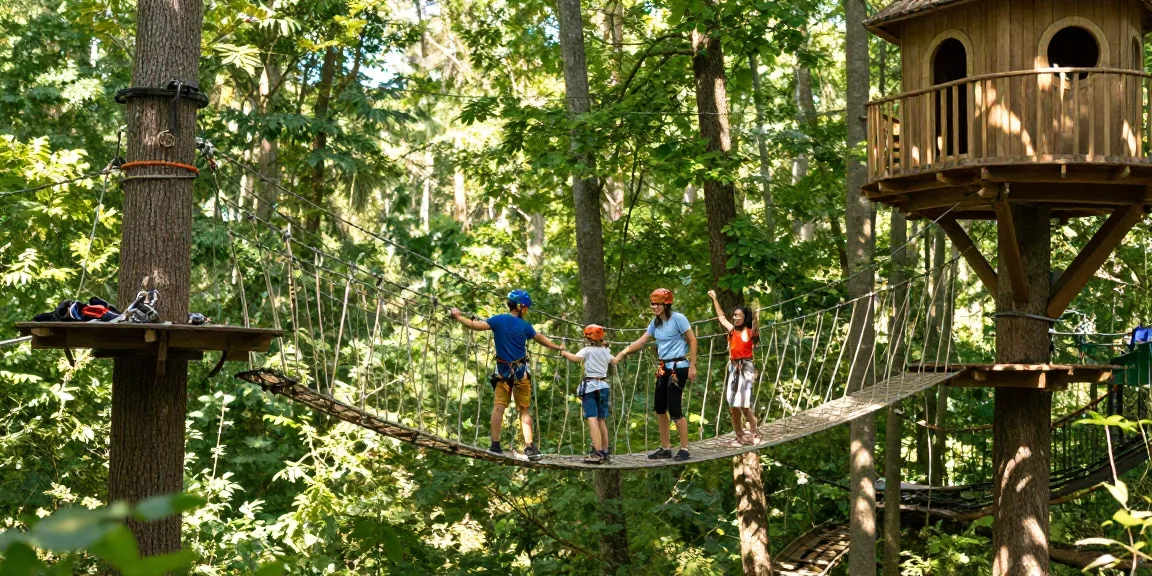
- Incorporate Family Play: Set aside time for family games or outdoor adventures, blending family bonding with screen-free play.
Top Picks for Screen-Free Toys
Choosing screen-free toys that provide both fun and educational benefits can greatly influence a child's developmental journey. Below are some top picks that encourage fine motor skills, creativity, and active play.
Best Building Toys for Fine Motor Skills
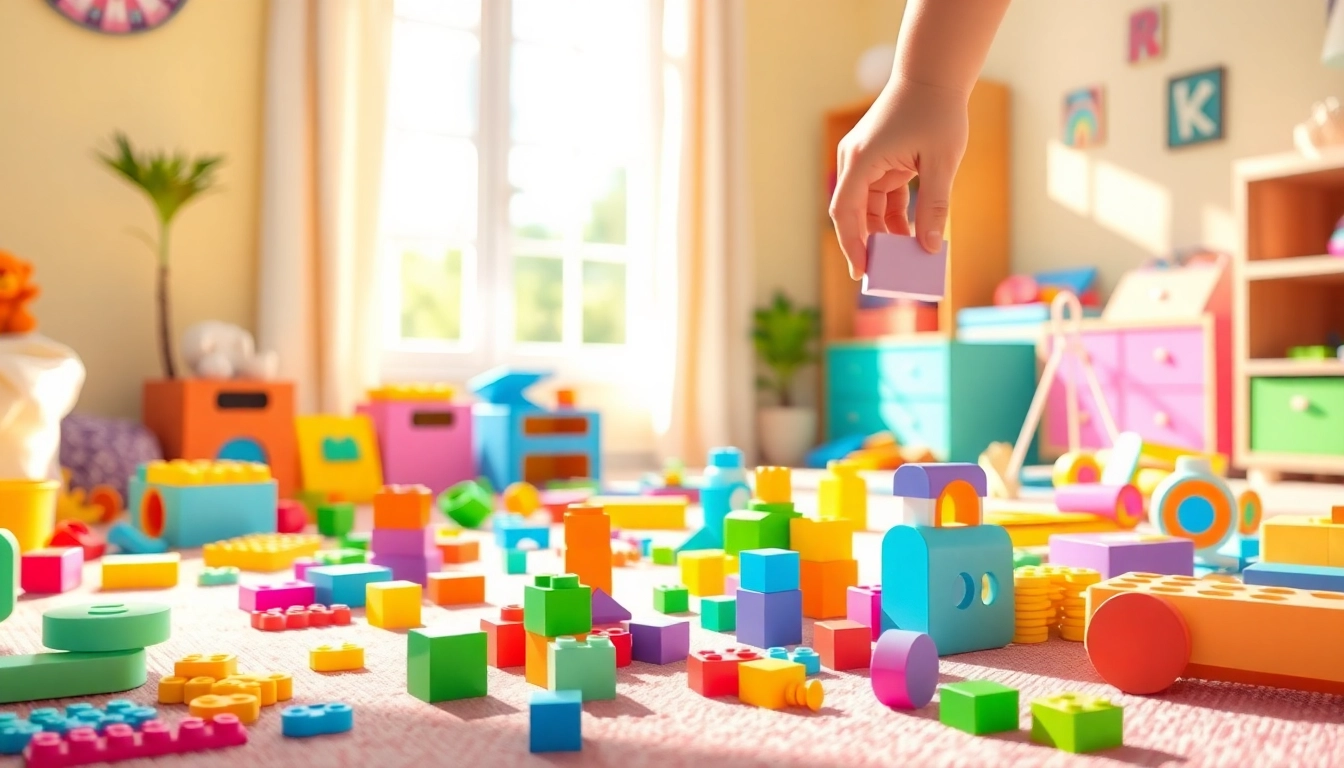
Building toys are quintessential for enhancing fine motor skills while providing endless opportunities for creativity and problem-solving. The tactile engagement required to manipulate small pieces nurtures dexterity and hand-eye coordination. Some popular examples include:
- Building Blocks: Classic wooden or plastic blocks help develop spatial awareness and structural knowledge.
- Magnetic Tiles: These versatile tiles allow children to create geometric shapes and structures, fostering creativity and engineering skills.
- Construction Sets: Sets with connecting parts motivate children to construct their models, inspiring imagination.
Crafting Kits to Inspire Young Artists
Crafting kits encourage children to express themselves artistically, providing a structured way to explore their creative side. These kits typically include materials like colored paper, glue, scissors, and other artistic supplies. Key benefits of crafting include:
- Language Skills: The process of explaining their creational choices enhances vocabulary and articulation.
- Fine Motor Development: Cutting, gluing, and assembling materials improve dexterity.
- Self-Expression: Children learn to convey their emotions and ideas through diverse crafting techniques.
Outdoor Toys That Promote Active Play
Outdoor play is crucial for physical health and overall well-being. Outdoor toys not only help burn energy but also foster social interaction and exploration. Here are some excellent options:
- Bicycles and Scooters: These promote physical fitness and coordination while allowing children to explore their environment.
- Sports Equipment: Items like balls or frisbees encourage group play, enhancing teamwork and cooperative skills.
- Nature Exploration Kits: Tools like magnifying glasses or bug catchers ignite curiosity about the natural world.
Creative Play Ideas Using Screen-Free Toys
Incorporating screen-free toys into playtime can be made more engaging through creative play ideas that stimulate interest and collaboration. Here are a few suggestions:
DIY Projects to Enhance Creativity
DIY projects are a fantastic way for children to take ownership of their play experience. Here are some principles to consider:
- Encouragement: Empower children to create their unique prototypes using simple materials.
- Theme-Based Projects: Centering on a theme, such as nature or space, can inspire imaginative play.
- Collaboration: Encourage siblings or friends to work together, building teamwork skills while enjoying creativity.
Games That Encourage Collaboration
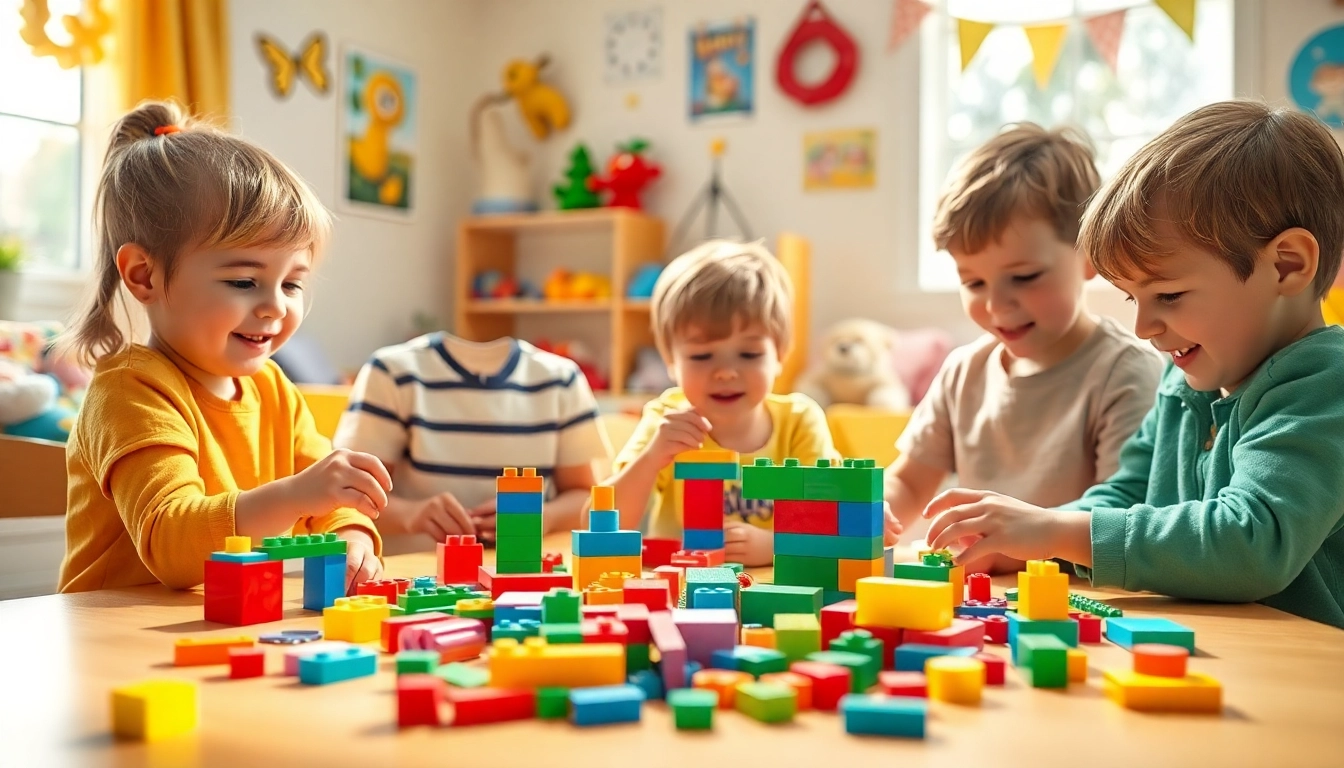
Childhood play isn’t just about individual pursuits; it's about learning to play with others as well. Collaborative games, such as cooperative board games or group building challenges, enhance these skills:
- Team-Based Challenges: Organize simple scavenger hunts or relay races that necessitate cooperation.
- Creative Storybuilding: A game where children add to a story in turns can stimulate imagination and enhance social skills.
- Crafting Projects: Joint art projects can allow children to share resources and ideas.
Seasonal Activities for Year-Round Fun
No matter the season, there are endless screen-free activities available that tie into the changing environment. Here are seasonal suggestions:
- Spring: Gardening projects allow kids to connect with nature.
- Summer: Water balloon games and outdoor obstacle courses encourage physical activity.
- Fall: Leaf collection and crafts utilize seasonal changes as learning tools.
- Winter: Indoor forts and craft projects can provide cozy screen-free fun during colder months.
Making Screen-Free Time More Engaging
The key to fostering a positive attitude towards screen-free play lies in creating an engaging environment. Below are practical strategies to enhance playtime experiences:
Creating a Play-Friendly Environment
Children thrive in spaces designed to encourage creativity and exploration. Consider these elements when setting up play areas:
- Accessibility: Keep toys and materials within easy reach to encourage independence.
- Variety: Include diverse toys and materials to cater to various interests and encourage exploration.
- Comfort: Ensure the play area is safe and welcoming to invite children to engage often.
Incorporating Learning into Playtime
Learning doesn’t have to be in a traditional classroom setting. Here are ways to integrate educational elements into play:
- Theme-Based Learning: Align play sessions with subjects they learn about in school, like science or literary themes.
- Interactive Questions: Engage them while playing by posing questions related to the activity, boosting critical thinking.
- Documenting Play: Encourage kids to keep journals of their explorations and creations, enhancing literacy and reflection.
Setting Up Playdates for Social Interaction
Facilitated play among peers fosters social interaction, critical for developing strong interpersonal skills. To maximize the benefits:
- Structured Activities: Plan specific playdates around engaging themes or challenges.
- Encourage Sharing: Facilitate the sharing of toys and resources to encourage cooperation.
- Reflection: After playdates, discuss with children what they enjoyed and learned, enhancing communication skills.
Frequently Asked Questions About Screen-Free Toys
What age group benefits most from screen-free toys?
Children of all ages can benefit, but toddlers and preschoolers gain significant developmental advantages from engaging in screen-free play.
How can screen-free play enhance creativity in kids?
It encourages imagination as children explore and experiment without digital distractions, fostering innovative thinking.
Can screen-free toys be educational?
Yes, many screen-free toys promote learning concepts such as shapes, colors, and problem-solving skills while being enjoyable.
What are the benefits of outdoor screen-free toys?
Outdoor toys promote physical activity, enhance social skills, and foster nature appreciation while combating sedentary behavior.
How do I encourage my child to play more without screens?
Offer diverse toys, set scheduled playtimes, and participate in activities with them to ignite their interest in screen-free play.