Understanding the Importance of Screen-Free Play
In an age where screens dominate children's entertainment, the significance of promoting screen-free play has become increasingly crucial. Screen-free play not only fosters creativity but also nurtures important developmental skills that children need as they grow. Encouraging activities that don't involve screens can lead to enhanced physical, social, and emotional well-being. It’s essential for parents and caregivers to understand the drastic positive impact that unplugged play has on child development and the importance of engaging kids in screen-free activities. For further insights, you can visit the website.
Benefits of Unplugged Playtime
Unplugged playtime provides numerous advantages to children. Firstly, it allows for open-ended play, where children can use their imagination without limitations imposed by screens. This unstructured play fosters cognitive flexibility and problem-solving skills as kids are encouraged to invent, design, and create their scenarios.
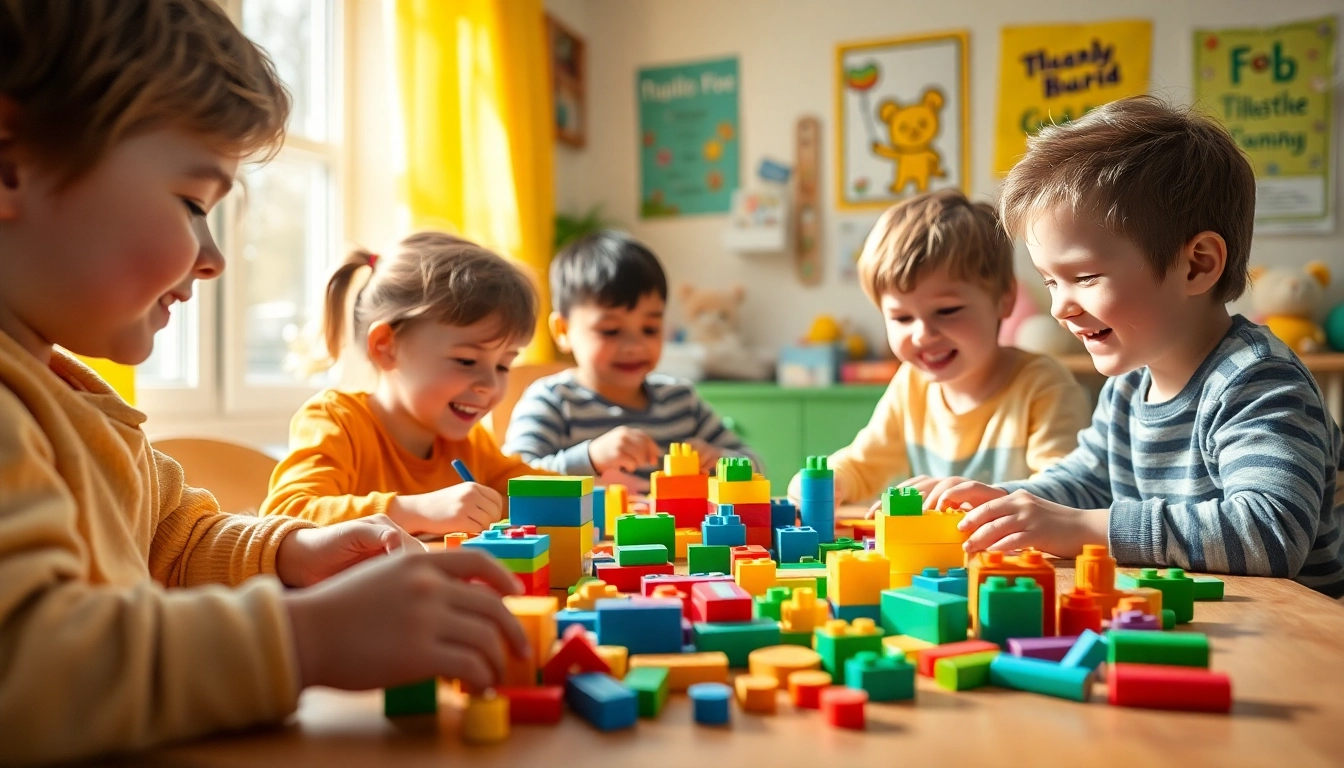
Furthermore, screen-free playtime can significantly improve physical health. Activities such as building with blocks or engaging in outdoor explorations promote gross motor skills and encourage an active lifestyle, which is essential for combating childhood obesity rates. Moreover, social skills are enhanced during these play sessions, as interaction with peers creates opportunities to develop teamwork, negotiation skills, and empathy.
How Screen-Free Toys Enhance Development
Screen-free toys play a pivotal role in child development by engaging them in ways that screens cannot. For instance, building toys such as blocks or construction sets stimulate a child's spatial awareness and fine motor skills as they manipulate small pieces to create structures. Toys that encourage tactile exploration, like playdough or sand, help develop sensory skills and hand-eye coordination.
Additionally, screen-free toys encourage language development. When children engage in storytelling or role-playing with figurines, they practice expressing themselves verbally and expand their vocabulary. The durability of many screen-free toys also promotes longevity in play, allowing children to revisit experiences and deepen their learning over time.
Choosing the Right Toys for Different Ages
Selecting the right toys is crucial for maximizing the developmental benefits of screen-free play. For toddlers, toys such as large building blocks, nesting cups, and simple puzzles are excellent for developing fine motor skills and cognitive abilities. As children grow older, the complexity of toys can increase. Preschoolers may enjoy simple arts and crafts supplies, construction kits, and age-appropriate board games.
School-aged children benefit from more complex toys such as robotics kits or more intricate building sets that challenge their creativity and problem-solving abilities. It's essential to consider age recommendations and individual interests when choosing toys, as this ensures that children remain engaged and enthusiastic about playtime.
Top Picks for Screen-Free Toys
Building and Construction Toys
Building and construction toys serve as a fascinating world for children, allowing them to design, create, and innovate. These toys cater to varying age groups and interests.
For younger children, large, colorful blocks provide hours of entertainment while enhancing fine motor skills. Sets like interlocking foam blocks or oversized wooden blocks invite toddlers to stack and build without the fear of toppling over easily.
For older children, construction kits that incorporate gears, circuits, and mechanical components can spark interest in engineering and STEM education. Brands offering sets that require problem-solving and critical thinking are highly recommended as they offer a good mix of fun and education, ensuring that children grow while playing.
Artistic and Crafting Kits
Artistic and crafting kits can stimulate creativity, concentration, and fine motor skills. They provide children the opportunity to express their feelings and ideas visually. For younger children, simply providing crayons and paper encourages them to explore their creative side. As they grow, more structured crafts like painting kits, bead design, or even sewing kits can be introduced.
Encouraging children to create their masterpieces also instills a sense of accomplishment and enhances their self-esteem. Regular engagement in artistic activities develops patience, precision, and potentially leads children to explore art-related interests as they mature.
Outdoor Play and Exploration Toys
Outdoor toys promote active play and exploration, essential for physical health and social interactions. Toys such as dirt digging sets, garden tools for kids, or explorer kits can ignite curiosity about the natural world. Encouragement to engage with outdoor environments fosters environmental awareness and appreciation.
Sports equipment like balls, jump ropes, and frisbees cater to children of varied age groups, promoting physical activity while encouraging social play. Children can work together in teams, learning to communicate and cooperate as they play.
Creative Play Ideas Using Screen-Free Toys
DIY Projects with Art Supplies
Creating DIY projects with art supplies offers children an avenue to express themselves while developing new skills. Simple projects such as making greeting cards, building a scrapbook, or creating homemade gifts can be fun.
Additionally, combining various supplies like recycled materials, and natural elements can lead to unique creations. This practice not only sharpens creativity but also provides an understanding of resourcefulness and sustainability.
Interactive Group Games with Friends
Organizing interactive group games with friends can lead to bonding and social skills development. Classic games like charades or scavenger hunts can heighten excitement and encourage teamwork among children. Indoor platforms allow for board games or card games that teach strategy and promote friendly competition.
Creating a 'game night' tradition can enhance family bonds and maintain a balance between social interaction and screen-free play. Moreover, family involvement in these games emphasizes the importance of quality time together.
Setting Up an At-Home Play Station
Designing an at-home play station can create a designated space where creativity and exploration thrive. This can include an arts corner with supplies at hand, a building area equipped with blocks or construction sets, and even an outdoor play nook filled with sandbox materials.
Giving children control over their space allows them to engage in self-directed play, promoting independence and decision-making skills. Regularly rotating toys can keep the play environment fresh and prevent boredom, ensuring that children are excited to explore different materials and experiences.
Incorporating Screen-Free Toys into Daily Routines
Making Time for Play in Busy Schedules
Integrating screen-free play into daily routines doesn’t have to be an overwhelming task. It’s about making small adjustments. Setting aside time where screens are put away can encourage children to engage in other playful activities.
Scheduling play sessions, whether during weekends, after school, or even shorter intervals during the week, ensures that play is prioritized. Parents can establish a playful environment by setting good examples, engaging in activities with their children, and even inviting friends for interactive play sessions.
Balancing Screen and Play Activities
To maintain a healthy balance between screen time and traditional play, it's essential to define clear boundaries. Parents should aim for a set screen time limit and encourage children to engage in various activities that capitalize on their strengths.
Using checklists or visual schedules can help children understand their daily balance of activities. Highlighting that screen time can be a reward after completing certain play activities can encourage them to be more proactive in seeking screen-free play outings.
Encouraging Imaginative Play at Home
Encouraging imaginative play can ignite creativity in children. Designating specific areas in the home for imaginative play — such as a mini-theater for playacting or a puppet corner — can provide avenues for children to channel their creative energy. Adding props and costumes stimulates imaginative scenarios, allowing children the freedom to explore different personas and stories.
Also, implementing dramatic play—where kids act out experiences—helps cultivate essential life skills. Parents can participate by introducing role-play scenarios or themes, enriching the creative experience while strengthening the parent-child bond.
Frequently Asked Questions about Screen-Free Toys
What are the best screen-free toys for toddlers?
The best screen-free toys for toddlers include large building blocks, musical instruments, and stacking toys that promote development through sensory and motor skill activities.
How do screen-free toys contribute to child development?
Screen-free toys enhance development by encouraging imaginative play, improving fine motor skills, and facilitating social interaction through shared play experiences.
Can screen-free toys be used for educational purposes?
Yes, many screen-free toys are designed to be educational, teaching concepts like math, science, and creative skills while keeping kids engaged through hands-on activities.
What are some low-cost screen-free toy options?
Low-cost screen-free toy options include homemade sensory bins, DIY art supplies, and simple outdoor items like balls and hula hoops that promote active play.
How can I encourage my child to play without screens?
Encouraging screen-free play involves setting playtime limits, providing diverse toy options, and actively participating in play to inspire creativity and imagination.