
Understanding Rope Bridge Design Basics
Rope bridges are a unique and fascinating construction that blends functionality with the beauty of engineering. These bridges, often made from natural materials like wood and strong ropes, provide a vital means of crossing various obstacles, from streams to valleys. In recent years, there has been a growing interest in Rope Bridge design for recreational and aesthetic purposes. They not only serve practical purposes but also enhance natural landscapes and create engaging outdoor experiences.
What is a Rope Bridge?
A rope bridge is a type of bridge that is suspended using ropes or cables. These structures typically consist of a series of ropes that support planks or a netting for pedestrian traffic. The design can vary widely, with some bridges being permanent structures while others are temporary solutions for excursions or adventurous settings.
Historical Significance of Rope Bridges
Rope bridges have a rich history, dating back to ancient times when they were used by various cultures around the world. The Inca civilization, for instance, constructed impressive rope bridges across deep gorges in the Andes mountains. These bridges exemplified remarkable engineering skills and allowed for trade and communication between isolated communities.
Common Uses of Rope Bridges Today
In modern times, rope bridges find applications in multiple areas, including:
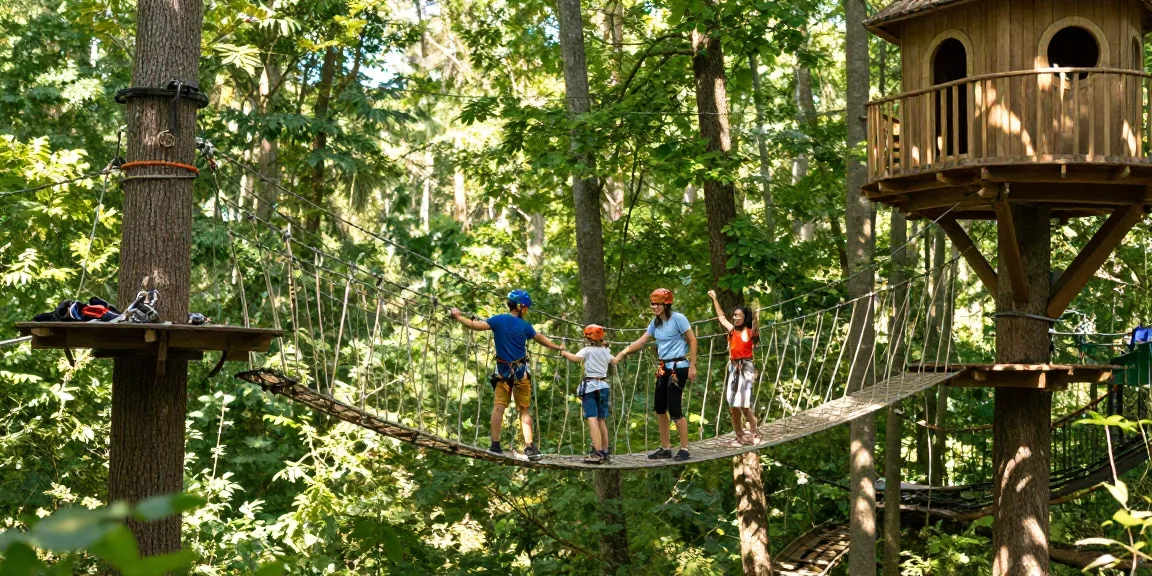
- Adventure Parks: Rope bridges are popular attractions in adventure and zip-line parks, providing thrilling experiences for visitors.
- Landscaping: Designers incorporate rope bridges into gardens or parks to enhance aesthetics and create unique pathways.
- Accessibility: They serve as essential connections in rural areas, allowing locals to traverse geographical obstacles.
Types of Rope Bridges for Different Needs
When deciding on a rope bridge design, it is crucial to understand the different types available to meet specific project requirements. Each design comes with its own benefits and challenges.
Suspended Rope Bridges
Suspended rope bridges are characterized by their flexible support system, where the deck is held up by cables anchored at either end. These are ideal for spanning longer distances and can adjust to the weight of users. They provide an exciting experience, swaying gently while being traversed.
Fixed-Beam Rope Bridges
Unlike suspended bridges, fixed-beam rope bridges use a rigid structure to support the walkway. These are often constructed using timber or metal beams, providing stability and a more solid feel underfoot. They are better suited for areas with less movement and are generally easier to build.
Choosing the Right Type for Your Project
When selecting the type of rope bridge for your design, consider factors such as the span distance, expected load, and aesthetic preferences. Additionally, understanding the environmental conditions, such as wind and weather patterns, will play a crucial role in the durability and safety of the bridge.
Design Considerations for Safety and Aesthetics
Designing a rope bridge requires a thoughtful approach to both safety and aesthetic appeal. The following considerations should be taken into account:
Material Selection for Durability
The choice of materials is critical in ensuring the longevity of a rope bridge. Common materials include:
- Ropes: High-tenacity synthetic ropes are often preferred due to their resistance to weather and wear.
- Wood: Timber should be treated for protection against rot and insect damage, enhancing durability.
- Connectors: Use stainless steel connectors and fittings to prevent corrosion over time.
Weight and Load-Bearing Calculations
Before construction, it is essential to perform detailed calculations to determine how much weight the bridge can safely support. Factors like the number of users, potential additional loads (e.g., bicycles, equipment), and the dynamic forces caused by movement must all be considered.
Incorporating Aesthetic Elements into Design
A rope bridge can serve a functional purpose while also being a visual delight. Incorporate design elements such as:
- Lighting: Integrated lighting can enhance safety and aesthetic appeal.
- Landscaping: Surrounding the bridge with natural landscaping can create a harmonious integration with the environment.
- Art Installations: Adding artistic elements can transform a utilitarian structure into a captivating feature.
DIY Rope Bridge: Step-by-Step Guide
Building a rope bridge can be an exciting project for those with an interest in DIY tasks. Here’s a comprehensive guide to help you get started:
Planning Your Rope Bridge Project
Begin by assessing the location for your bridge. Evaluate factors such as the distance between supports, height, and the ground conditions. Draft a plan that outlines the dimensions, materials needed, and overall design.
Tools and Materials Needed
Gather the necessary tools and materials, which may include:
- Rope (synthetic or natural)
- Wood beams or planks for the deck
- Anchoring devices and fittings
- Tools like a saw, drill, and measuring tape
Construction Process Explained
The construction of your rope bridge can be broken down into several key steps:
- Install End Supports: Securely set up the anchor points on either side of the span.
- Attach Ropes: Run your main support ropes from one end to the other, ensuring they're evenly tensioned.
- Build the Deck: Lay down the planks or netting securely on the ropes, checking for stability.
- Test for Safety: Before using the bridge, conduct several weight tests to ensure it can support the intended load.
Future Trends in Rope Bridge Design
As we move into 2026, several trends are emerging in rope bridge design that promise to redefine their use and construction.
Innovative Materials and Techniques in 2026
The advent of new materials such as advanced composites and bioengineered ropes is set to enhance the safety and durability of rope bridges. These innovations aim to reduce environmental impact and improve lifespan.
Environmental Sustainability in Design Practices
Sustainable practices are becoming central to all construction projects, with an emphasis on using locally sourced materials and minimizing ecological disruption during construction. Rope bridges lend themselves to minimal impact due to their lightweight designs.
Emerging Markets for Rope Bridge Installations
With the increasing popularity of eco-tourism and outdoor recreational activities, the demand for rope bridges is expected to grow. They are being considered not only in national parks but also in urban landscapes to facilitate pedestrian movement through parks and green spaces.
Frequently Asked Questions About Rope Bridges
As interest in rope bridge design continues to rise, several common queries arise:
How do I build a rope bridge?
Building a rope bridge involves careful planning, material selection, and following safety protocols during construction. Refer to the DIY guide above for specific steps.
What are the different types of rope bridges?
The main types include suspended and fixed-beam bridges, each with unique characteristics suitable for different applications.
How much does a rope bridge cost?
The cost of a rope bridge can vary greatly depending on the size, materials used, and location. A basic DIY bridge can range from a few hundred to several thousand pounds.
What is the simplest bridge design?
A simple rope bridge design typically involves basic materials and straightforward construction methods, making it accessible for DIY enthusiasts.
Can I build a rope bridge in my backyard?
Yes, provided you have the necessary space, materials, and adhere to local safety regulations regarding structures on your property.